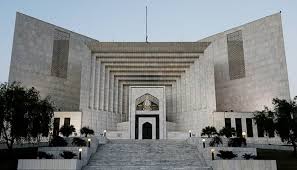
Two Supreme Court judges, Justice Ayesha A. Malik and Justice Aqeel Abbasi, recorded a dissent in the PTI reserved seats case. Their note, released on Monday, revealed internal differences within the bench over the government’s review petitions. The dissent followed the Supreme Court’s 2024 ruling that declared Imran Khan’s PTI eligible for women and minority seats.
The dissenting judges stated that the review petitions by the PML-N, PPP, and Election Commission had no new legal grounds. They argued that all issues were already addressed in the detailed verdict issued in September 2024. According to them, the review petitions tried to reopen a settled matter, which is beyond the court’s review powers.
READ MORE:Supreme Court Reserved Seats Verdict Says Court Cannot Rewrite Constitution
The note emphasized that a review is not an appeal and should not become a routine legal process. It warned that turning reviews into regular proceedings would harm the justice system’s balance. The judges also noted that the coalition parties had challenged only the short order, not the detailed verdict.
Earlier, the Peshawar High Court had deprived the Sunni Ittehad Council — joined by PTI-backed independents — of reserved seats. The Supreme Court later restored these seats, recognizing PTI as a parliamentary party. The ruling dealt a major political blow to the ruling coalition led by Prime Minister Shehbaz Sharif.
READ MORE:Supreme court issues new 2025 rules
The dissenting opinion reinforces that Supreme Court judgments are final and must be respected. It also restates that the scope of a review is narrow and not meant for re-arguing decided cases. The PTI reserved seats case remains a key moment in Pakistan’s political and judicial landscape.