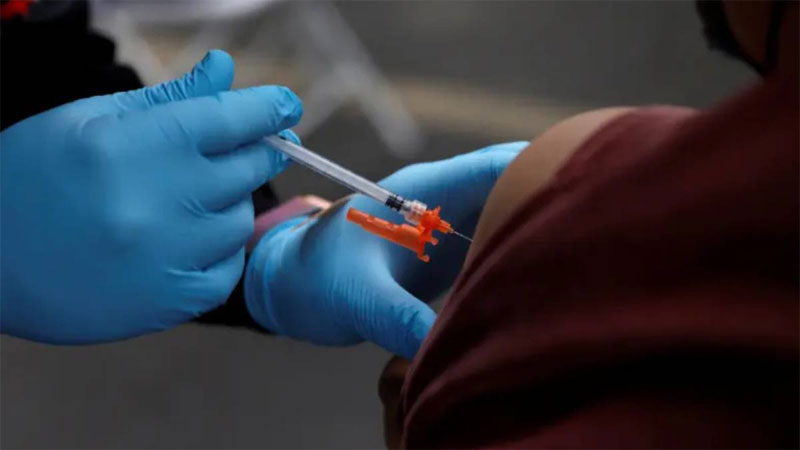
 Pakistan’s healthcare system faces many challenges, yet this month it achieved a milestone that could reshape the nation’s future. The launch of the national HPV vaccination campaign, targeting nearly 13 million girls aged 9–14, marks a bold step in protecting women from one of the deadliest but preventable diseases: cervical cancer.
Backed by WHO, Gavi, UNICEF, and local partners, this initiative brings Pakistan in line with global efforts to eliminate cervical cancer. It also sends a powerful message about leadership. In a rare but impactful gesture, Federal Health Minister Mustafa Kamal publicly sat with his daughter as she received the vaccine, countering misinformation and encouraging parents across the country to do the same.
The importance of this campaign cannot be overstated. According to WHO Pakistan records more than 5,000 new cases of cervical cancer each year, with nearly 3,200 women dying annually from this preventable disease. Limited awareness, scarce screening facilities, and cultural stigma mean most women are diagnosed only in the late stages of illness, when treatment options are costly and less effective. In rural areas, where almost 63% of the population lives, healthcare resources are scarce, and knowledge about preventive care is minimal.
Vaccination offers a lifeline. Research worldwide shows that immunizing adolescent girls before exposure to HPV can reduce cervical cancer risk by up to 90%. For a country like Pakistan, where access to Pap smears and advanced oncology care is limited, prevention is the only sustainable solution.
Early reports from the campaign are promising, with millions of girls vaccinated in the first weeks. But this success also shines a light on systemic weaknesses. Misinformation spreads rapidly on social media, discouraging parents with false claims about infertility or foreign conspiracies. Cold-chain and logistics issues make it difficult to deliver vaccines to remote mountainous and tribal regions. And equity remains a pressing concern, as out-of-school girls — often the most vulnerable — are at risk of being left behind.
Precautionary steps are vital. Parents must be educated that the vaccine is safe, effective, and globally recommended. School-based programs should be expanded to cover rural communities. Trained female health workers, culturally sensitive communication, and partnerships with local leaders can help overcome resistance. On the systemic level, stronger cancer registries, investment in diagnostics, and integration of digital monitoring tools can ensure accountability and long-term impact.
The HPV campaign is not just a vaccination drive — it is a test of Pakistan’s ability to deliver preventive healthcare at scale. If sustained and integrated into routine immunization, it will save thousands of lives annually, reduce long-term treatment costs, and strengthen public trust in health services.
This vaccination drive must not remain a symbolic gesture — it should be the moment Pakistan proves that prevention, equity, and innovation can save lives and define the future of our healthcare system
The writer is a project manager and researcher, and has contributed extensively to AI, healthcare and sustainable development