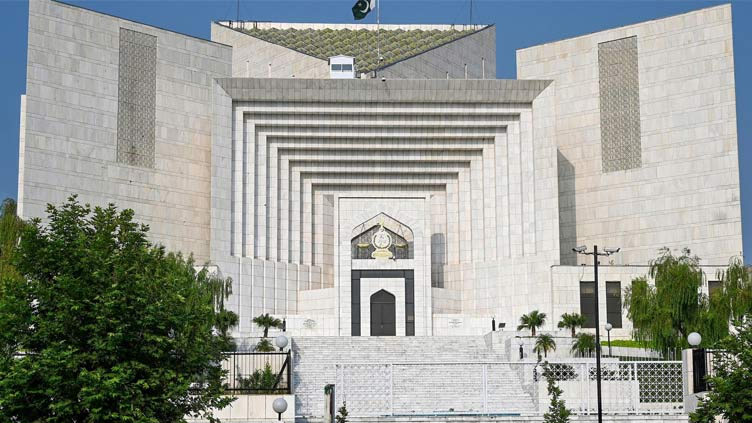
The Supreme Court has ruled that a judges transfer Pakistan case cannot be blocked only because it affects seniority. Justice Muhammad Ali Mazhar emphasized that public interest lies in speedy justice, not in protecting individual positions.
READ MORE:PM Shehbaz warns debt-driven climate aid won’t save Pakistan
A five-judge Constitutional Bench heard petitions by five Islamabad High Court judges challenging recent transfers. They argued that the judges, including IHC Chief Justice Sardar Muhammad Sarfraz Dogar, must retake their oath before serving. However, the court disagreed, stressing that constitutional procedure had been followed.
Justice Mazhar noted that the Islamabad High Court Bar Association initially joined the case but later withdrew its petition. He explained that Article 200 leaves the decision to consultees, including the Chief Justice of Pakistan and high court chiefs, who had all agreed unanimously to the transfers.
The judgment highlighted that no transferred judge claimed coercion or political pressure. Justice Mazhar questioned how the transfers harmed public interest, pointing out that the Islamabad High Court continued to function normally. He also clarified that seniority disputes fall under the administrative authority of the respective high court’s chief justice.
READ MORE:Trump, Shehbaz Sharif hold key talks at White House
In a separate note, Justice Salahuddin Panhwar suggested creating a national seniority list of all high court judges. He argued that such a list, annually updated with the president’s office and CJP, would bring transparency and fairness to judges transfer Pakistan cases.