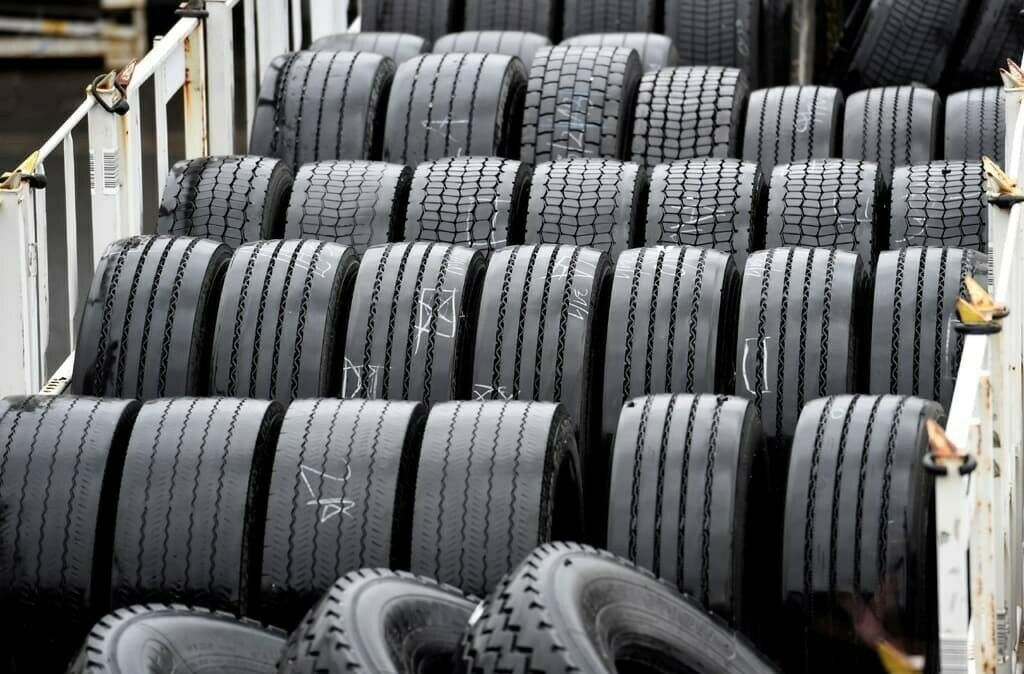
The Punjab Environmental Protection Agency (EPA) has uncovered the secret nighttime operation of banned pyrolysis plants in Lahore, which are fueling the city’s worsening smog problem, according to its latest drone surveillance report. These plants, which appear closed during the day, were found burning old tires at night to produce low-cost fuel, a practice identified as a major contributor to Lahore’s severe air pollution crisis.
The EPA’s drone squad inspected eight pyrolysis plants located in Karol Ghati, Turki Road, Sharifpura, and Daroghawala. Out of these, three plants were actively running, while five seemed inactive during inspection. However, large stockpiles of tires, visible electrical wiring, and fresh carbon deposits at the sites suggested that many of these facilities secretly resume operations after dark.
Deputy Director EPA Lahore, Ali Ijaz, confirmed that following these surveillance findings, the agency collaborated with the Ravi Urban Development Authority (RUDA) to launch demolition operations against the illegal units. He stated that all plants found using tires or other hazardous fuels were dismantled to prevent further environmental damage and health risks to residents.
Ijaz emphasized that under current environmental laws, using or transporting substandard fuels, especially tires, is strictly prohibited due to their toxic emissions. He added that strict monitoring will continue to ensure compliance, and violators will face severe penalties. These measures are intended to curb illegal practices that significantly worsen Lahore’s air quality, which has consistently ranked among the worst in the world.
Authorities are now urging industries to adopt cleaner and legally approved fuel sources while warning citizens to report any suspected illegal operations. The EPA also announced plans to expand its drone surveillance program to other smog-prone areas, aiming to reduce pollution and protect public health as the smog season approaches.