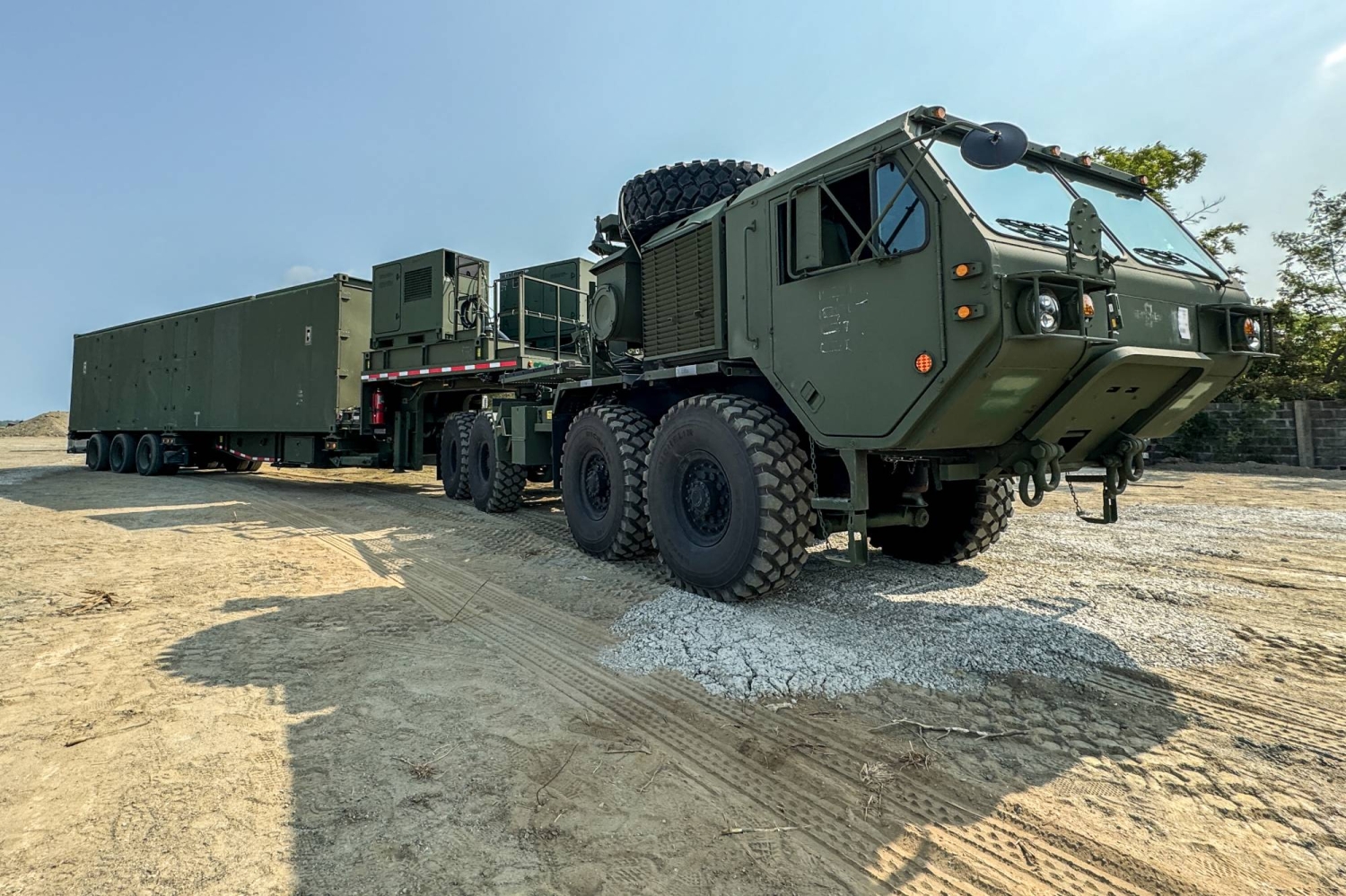
The United States has unveiled its Typhon intermediate-range missile system in Japan for the first time, raising tensions in a region already bracing for growing military competition. Displayed at Marine Corps Air Station Iwakuni, the land-based launcher is capable of firing Tomahawk cruise missiles that can reach China’s eastern coast or parts of Russia. The system will be used in the upcoming Resolute Dragon military drills, involving 20,000 U.S. and Japanese troops.
Colonel Wade Germann, who leads the task force operating Typhon, said the system’s mobility and speed make it a flexible and strategic weapon. “It creates dilemmas for the enemy by using multiple systems and munitions,” he stated. Although Typhon will leave Japan after the exercises, Germann did not confirm where it would go next or whether it would return to Japanese territory in the future.
This latest deployment follows the missile system’s controversial presence in the Philippines earlier in 2024, which drew strong criticism from China and Russia. Both nations accused the U.S. of fueling an arms race in the Indo-Pacific. Experts say Typhon’s arrival in Japan marks a significant shift, as such moves were previously blocked over concerns about provoking China — a concern now seemingly less important to both Washington and Tokyo.
Typhon’s placement in Iwakuni, part of the U.S.-defined “First Island Chain,” enhances the U.S.’s strategic reach in Asia. The system can also fire SM-6 missiles, capable of hitting ships or aircraft over 200 kilometers away. With a focus on using existing, mass-producible weapons, the U.S. aims to counter China’s growing missile power more efficiently and quickly.
At the same time, Japan is expanding its own military capabilities, purchasing Tomahawk missiles and developing homegrown systems as part of its largest defense buildup since World War Two. Taiwan is also increasing its defense budget, planning to raise military spending by 20% in 2026, reflecting heightened security concerns across the region.
While China has not yet responded to the Typhon deployment, analysts expect strong objections. However, some experts argue the region can no longer ignore threats. “China complains when others get ready to defend themselves,” said a retired U.S. Marine Corps colonel. “But that’s no reason not to prepare.”