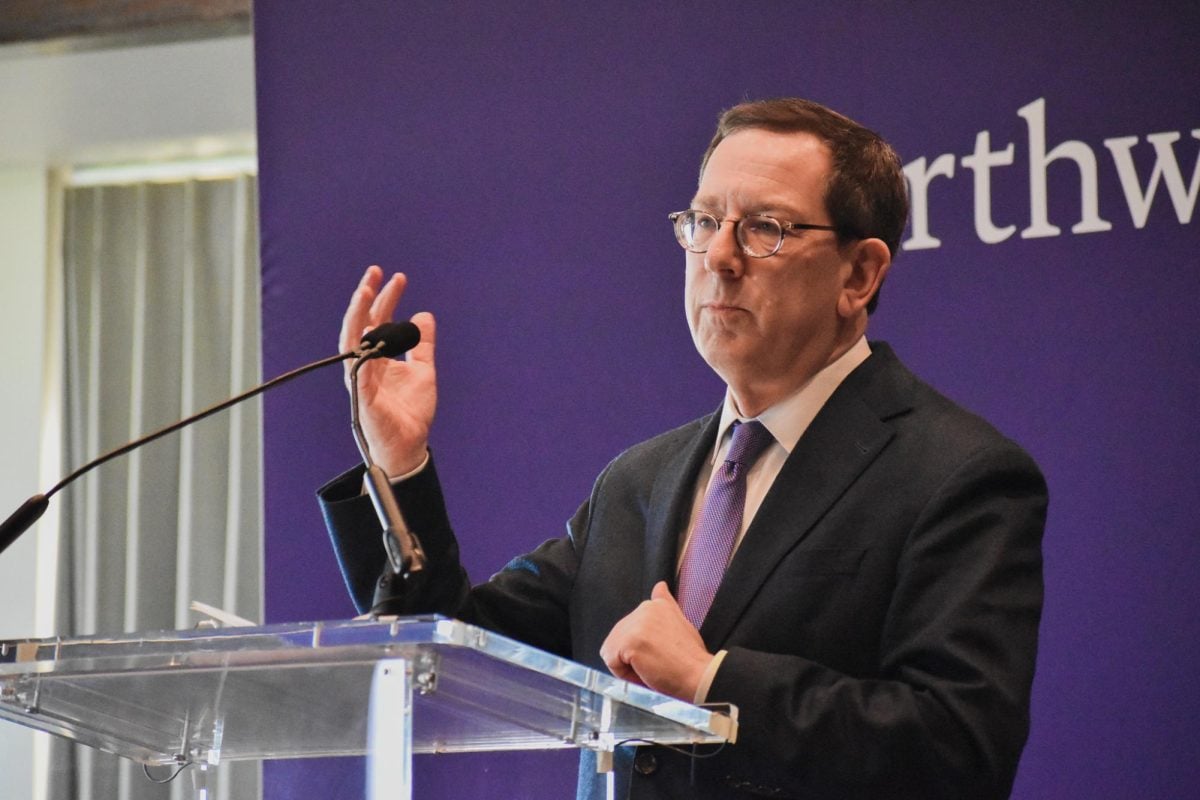
Northwestern University President Michael Schill announced his resignation amid ongoing tensions with former President Donald Trump. Schill cited friction with the federal government and said it was the right time to step down. The university has faced financial struggles due to funding cuts imposed by the Trump administration. Schill urged his successor to protect Northwestern’s academic mission and maintain its independence. He emphasized the importance of preserving academic freedom and research excellence.
During Schill’s nearly three-year tenure, Northwestern dealt with scandals, including hazing in its athletic department. The university also became a focus of political conflict over pro-Palestinian protests in 2024. Schill negotiated with students to end protest camps peacefully and promised to review investments tied to Israel. This approach drew conservative backlash and put Northwestern in the national spotlight. Other universities later followed similar protest agreements.
The Trump administration responded by punishing schools that allowed pro-Palestinian protests. It claimed the demonstrations created unsafe environments for Jewish students. Critics say the administration used anti-Semitism claims to silence protests and enforce political priorities. Federal funding was cut to several universities, including Northwestern, which lost nearly $800 million in research grants. The funding loss forced Northwestern to cut its budget and eliminate 425 jobs.
Several other universities faced similar pressure. Columbia University paid $200 million to restore federal grants, and Brown University paid $50 million under Trump’s demands. The University of Virginia’s president resigned amid a campaign against diversity efforts. However, a federal judge recently ruled Trump’s funding cuts to Harvard were illegal retaliation. This decision challenges the administration’s approach and may affect future cases.
Northwestern University President Michael Schill’s resignation marks a critical moment amid Trump tensions. The university must now navigate leadership changes while protecting academic freedom and funding. The White House expressed willingness to work with the new leadership. Meanwhile, universities continue to face political pressures affecting their missions and funding. Schill’s departure underscores the lasting impact of federal actions on higher education.