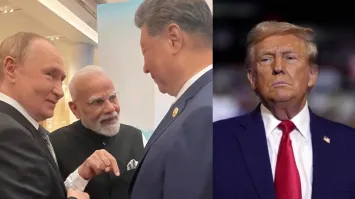
Indian Prime Minister Narendra Modi is moving closer to China and Russia as relations with the United States cool under President Donald Trump, whose trade policies have strained diplomatic ties. The recent images of Modi holding hands with Russian President Vladimir Putin at a summit hosted by Chinese President Xi Jinping symbolized a major geopolitical shift.
For years, Washington has tried to build India as a strategic counterweight to China and Russia. However, Trump’s decision to impose 50% tariffs on Indian goods and criticism over Russian oil purchases have soured relations. Indian officials view these actions as disrespectful, especially as the US president honored Pakistan and claimed credit for mediating South Asian disputes, which India considers bilateral matters.
Meanwhile, Modi’s engagement with Xi marks a surprising development, given long-standing Sino-Indian tensions and even deadly border clashes in 2020. His visit to China, the first in seven years, underscores Delhi’s willingness to diversify partnerships. Analysts argue that Trump’s “America First” approach has left allies uncertain, making India more inclined to pursue strategic autonomy with other powers.
The shift carries risks for the Quadrilateral Security Dialogue (Quad), which includes India, the US, Japan, and Australia. While Trump revived the Quad during his first term, his current focus on reaching a tariff deal with China has weakened momentum. Questions remain about India’s planned November Quad summit, especially since Trump has not confirmed his attendance.
Although Modi attempted to rebuild ties after Trump’s re-election by congratulating him early, sending envoys, and boosting US energy imports, the relationship remains unsettled. Experts warn that repairing the rift may require greater outreach than before, as India is unwilling to compromise its independence. Ultimately, Modi’s warming ties with China and Russia highlight India’s readiness to seek new options when Washington undermines trust.