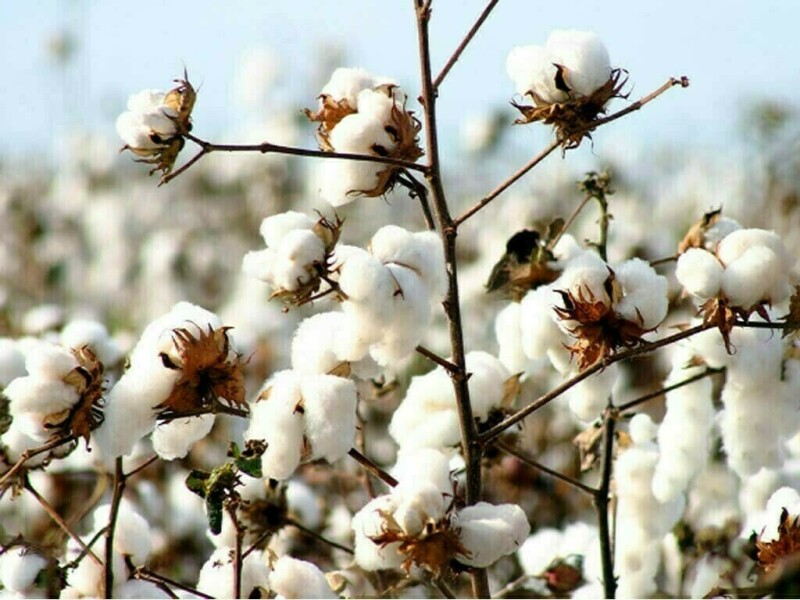
Pakistan’s cotton arrivals recorded a 9 percent year-on-year increase by August 31, 2025, reaching 1.336 million bales compared to 1.226 million bales last year. This growth, reported by the Pakistan Cotton Ginners Association, reflects improved inflows from both Punjab and Sindh. The increase offers temporary relief to the textile sector, which relies heavily on cotton supply for its export operations. However, experts caution that the outlook remains uncertain due to widespread flooding in key agricultural regions.
In Punjab, cotton arrivals rose by 3 percent, totaling 0.466 million bales compared to 0.453 million bales during the same period last year. Sindh reported stronger growth, with arrivals climbing 13 percent to 0.870 million bales against 0.773 million bales in 2024. These figures highlight regional contributions to the overall increase. Nevertheless, farmers remain concerned that further rains could reverse the current progress and cause significant setbacks in meeting production targets.
Despite these gains, experts warn that devastating floods are threatening the sustainability of this improvement. Floodwaters have already destroyed large areas of farmland, damaging rice, sugarcane, maize, vegetables, and cotton crops. Such destruction not only disrupts rural livelihoods but also weakens national food and fiber security. Immediate relief measures are underway, but long-term crop recovery remains uncertain, raising alarm across the agricultural sector.
The cotton shortage poses a direct risk to Pakistan’s textile industry, which contributes more than half of the country’s total exports. Any disruption in cotton supply could slow production, reduce export volumes, and strain foreign exchange earnings. Additionally, the ongoing 19 percent tariff imposed on Pakistani exports to the United States adds further challenges for exporters already grappling with supply chain disruptions. This dual pressure threatens to weaken Pakistan’s trade competitiveness.
Preliminary assessments by agricultural forums predict cotton production could fall short by nearly 35 percent of the annual target, despite initial increases in arrivals. Alongside this, Punjab’s rice losses stand at 60 percent while sugarcane production has fallen by 30 percent due to floods. These setbacks underline the growing vulnerability of Pakistan’s agricultural economy to climate extremes. The damage extends beyond crops, affecting food availability and rural incomes.
Earlier, the finance ministry warned that continued flood damage would worsen fiscal pressures and disrupt food supply chains nationwide. Rising inflation, reduced exports, and food shortages are expected to burden millions of households. Experts stress that immediate government interventions are required to support farmers, stabilize the textile sector, and secure food supplies. Without swift action, Pakistan risks facing both economic instability and a deepening humanitarian crisis.