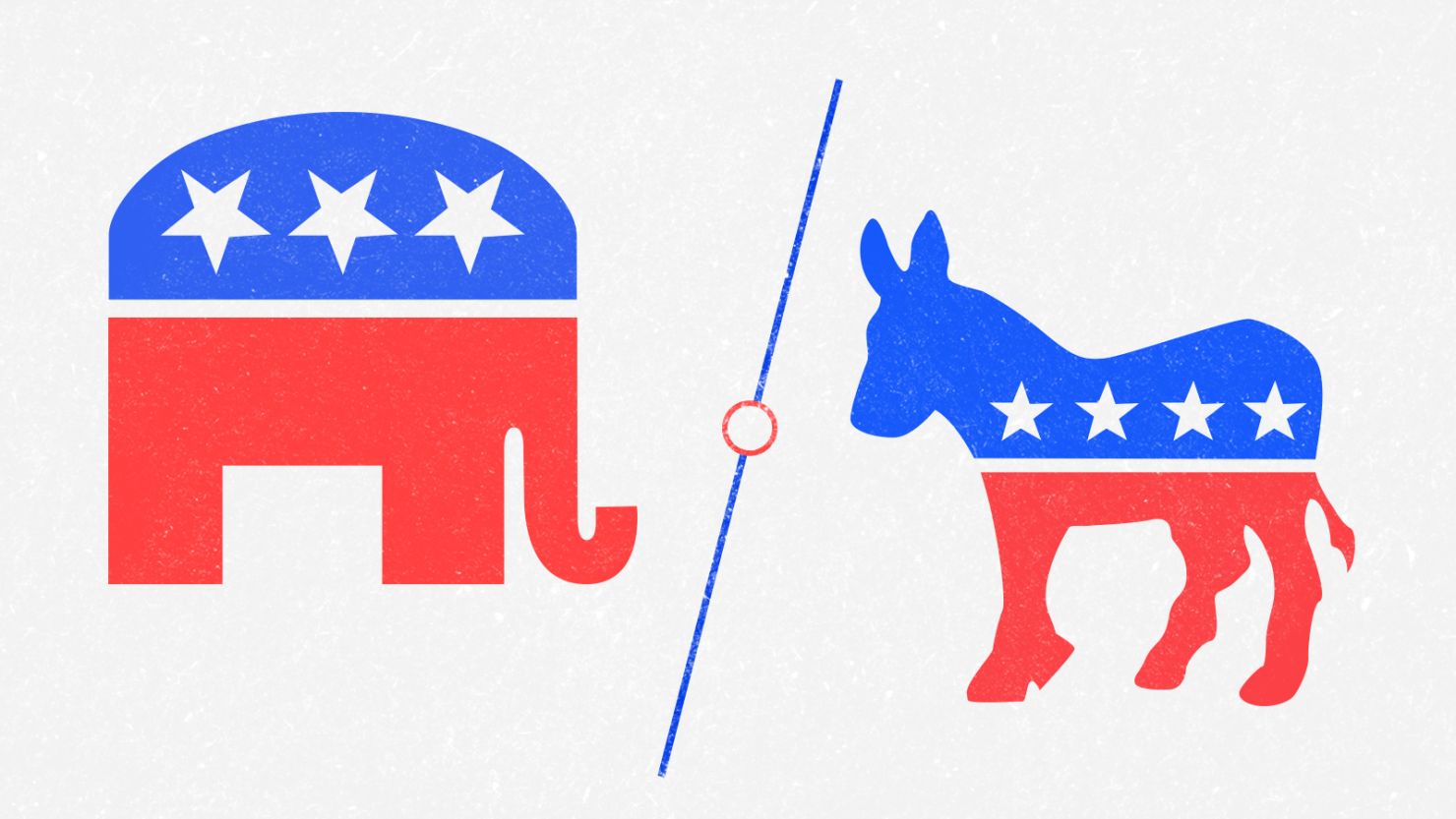
The battle over US election maps is heating up as Republicans and Democrats fight fiercely ahead of the 2026 midterm elections. Former President Donald Trump is pushing for redistricting in Texas and other states to gain more Republican seats in Congress. His efforts have triggered high tensions and political maneuvering across multiple states.
Redistricting, also known as gerrymandering, involves drawing voting districts to favor one party. Officials often “pack” opposition voters into a few districts and “crack” them across others to weaken their impact. While not illegal federally unless based on race, both parties have used this tactic to maximize votes and secure power.
Democrats have criticized these moves, with strategist Mike Nellis calling for a ban on gerrymandering. However, he also warned against giving up ground while Republicans try to rig the elections. Redistricting usually happens once every ten years after the census, but lawmakers are increasingly redrawing maps more frequently to influence upcoming races.
Trump’s plan in Texas aims to create five new Republican-friendly seats, while GOP leaders in Missouri, Ohio, and Florida are preparing their own redistricting efforts. On the other side, Democratic governors in California, Illinois, and New York are planning countermeasures to challenge these changes and protect their voter base.
This ongoing conflict has raised concerns about deepening political divisions and the weakening of democratic processes. Critics argue gerrymandering entrenches politicians, encourages extreme ideologies, and reduces voter trust. Legal challenges and demographic shifts often disrupt these carefully drawn maps, adding uncertainty to the political landscape.
Despite accusations aimed at Trump, experts say states like California, Illinois, and Maryland have some of the worst gerrymanders. They stress that the problem is widespread and not limited to one party or region. As the battle over district lines continues, the future shape of US democracy remains at stake.