Karachi – Weather experts have predicted that this year’s monsoon season in Pakistan may last longer than usual, continuing until the end of September instead of mid-September. The change is being linked to climate change, which is steadily altering traditional weather patterns across the country.
According to meteorologists, monsoon winds have so far primarily affected northern and upper regions of Pakistan, including Punjab, Khyber Pakhtunkhwa, and Kashmir. In contrast, the southern parts, such as Sindh and parts of Balochistan, have experienced lighter or delayed rains. However, experts say the pattern will shift after August 10, when monsoon winds are expected to move toward the southern regions.
They further explained that from mid-August, active monsoon systems may begin impacting cities like Karachi, Hyderabad, and adjoining areas, bringing moderate to heavy rainfall. Normally, monsoon activity in the south ends by September 15, but this year, it may continue into the last week of September.
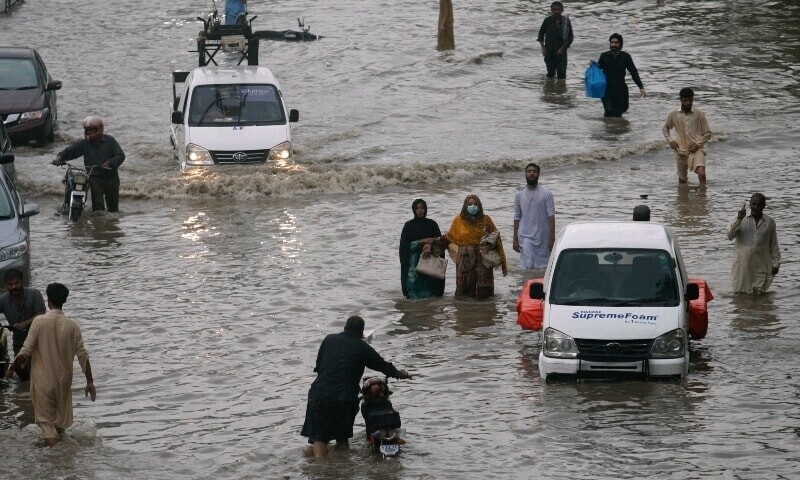
Experts have emphasized that longer monsoon periods could have mixed effects — boosting water resources and agriculture, but also increasing the risk of urban flooding, especially in poorly drained areas. Authorities are advised to stay alert and ensure proper drainage and emergency services are in place.
This extended monsoon is part of a wider pattern of climate variability being observed globally, and Pakistan is expected to face more unpredictable and intense weather events in the coming years.