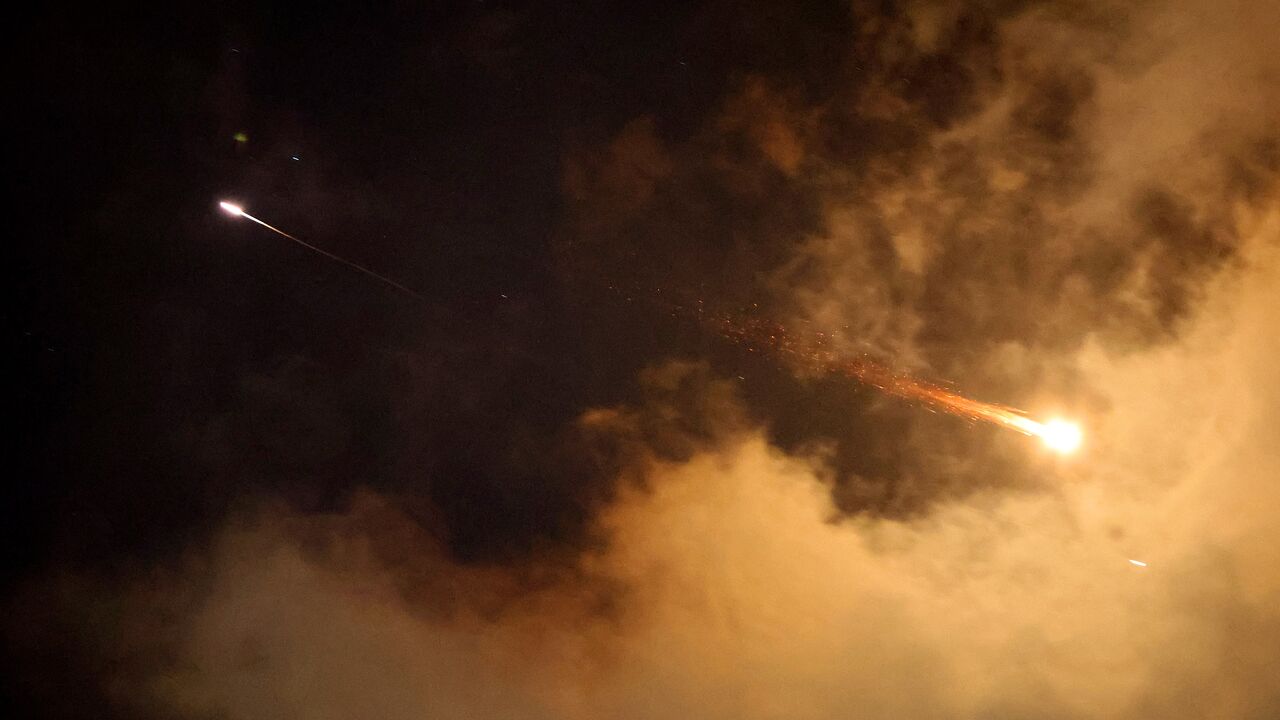
Iran has warned of more missile strikes against US military bases in the region after targeting Al Udeid Air Base in Qatar last month. The country’s Supreme Leader Ayatollah Ali Khamenei called the June 23 attack “no minor incident,” stressing Iran’s readiness to challenge American presence in the Gulf. He also suggested that similar actions could follow if Tehran feels threatened again.
This latest development marks a sharp rise in tensions between Iran and the United States, as Al Udeid Air Base is a key American installation in the Middle East. Iranian state media confirmed the missile strike, signaling Tehran’s growing willingness to respond forcefully to perceived US aggression. The bold move has sent shockwaves through diplomatic and military circles worldwide.
At the same time, Iran’s foreign minister Abbas Araghchi offered a more diplomatic tone, stating that Iran is willing to return to talks with the United States—but under strict conditions. In an interview with a French newspaper, Araghchi made it clear that the US must first correct its “mistakes” and show genuine respect for Iranian sovereignty. This includes halting all military actions, especially those targeting Iran’s nuclear program.
Furthermore, Araghchi accused the United States of damaging Iran’s nuclear facilities in recent attacks. He added that Iran reserves the right to seek compensation for these actions. While open to dialogue, Tehran made it clear that talks will not take place if hostile acts continue. This dual approach—military strength and conditional diplomacy—reflects a careful balancing act by Iranian leadership.
As the situation continues to unfold, global attention remains fixed on Washington’s next move. Will the US respond with further military pressure, or will it pursue a path of negotiation? With tensions rising and both sides sticking to firm positions, the region now stands at a critical crossroads.