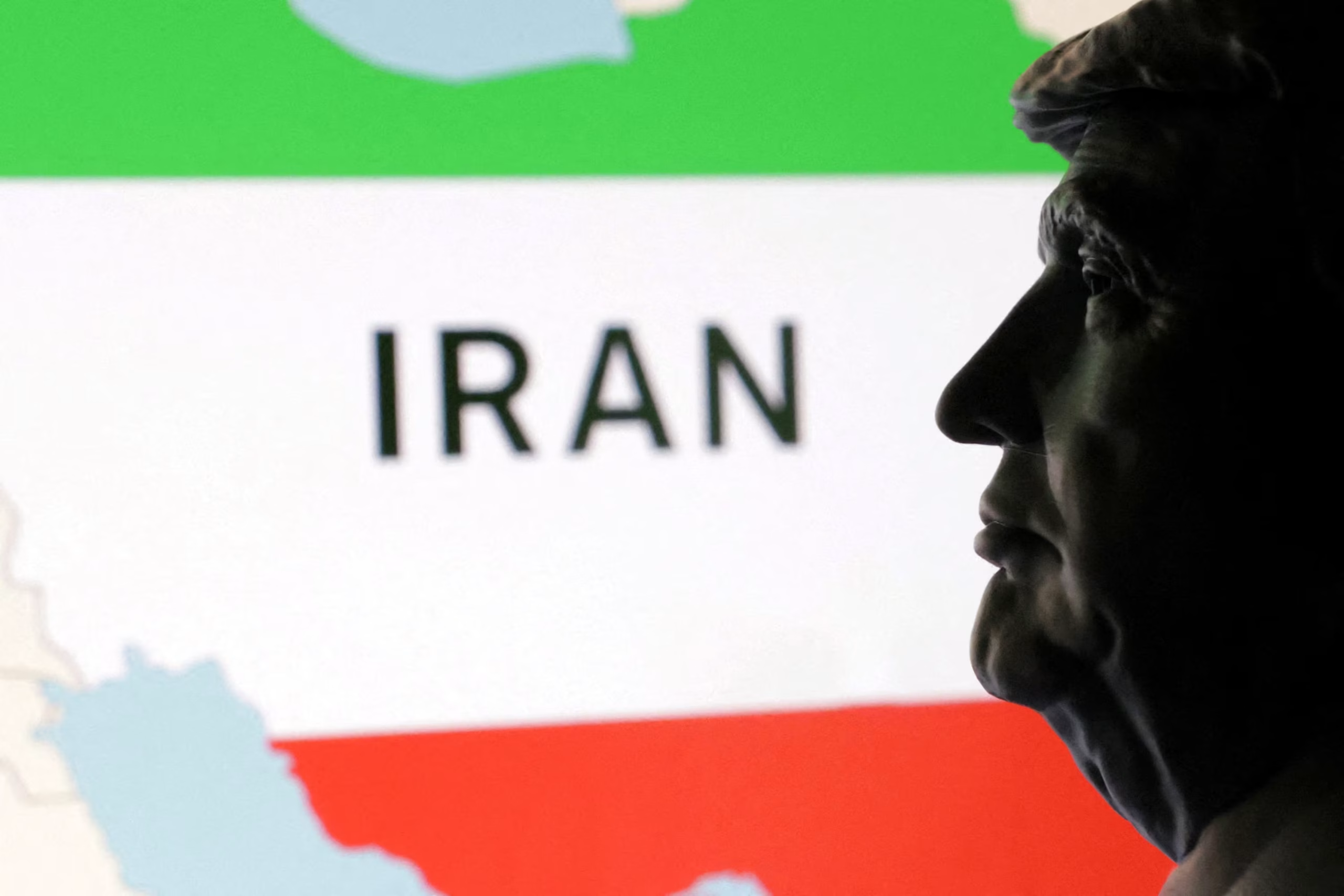
WASHINGTON – US President Donald Trump’s sudden announcement of a ceasefire between Israel and Iran has raised hopes for peace, but major questions still surround the agreement and its future. Trump authorized strikes on Iran’s nuclear sites last weekend, aiming to weaken Tehran’s program while avoiding a long war. Just days later, he declared a “complete and total ceasefire,” suggesting the move pressured Iran into talks. However, experts caution that the deal’s exact terms remain unclear.
Although Iran confirmed it accepted a ceasefire, its foreign minister insisted the truce would only hold if Israel stopped its attacks. Meanwhile, Israel did not immediately confirm the agreement, and missile strikes continued into Tuesday, killing four people in Beersheba.
Trump’s announcement came after Iran launched missiles at a US base in Qatar. The attack caused no casualties and was seen as a calculated move to avoid further escalation. US officials believe Iran is currently in a weakened state following days of Israeli bombardment and targeted killings.
The White House said Israel agreed to halt strikes if Iran refrained from further attacks. Qatar also helped mediate between the parties. Still, questions remain about Iran’s nuclear capabilities, especially regarding its uranium stockpile, and whether negotiations on long-term issues will follow.
Trump’s bold move risks backlash from critics who accuse him of breaking his promise to avoid foreign wars. However, if the ceasefire holds, it could become a major foreign policy win, shifting focus back to his domestic agenda and calming tensions in the Middle East.