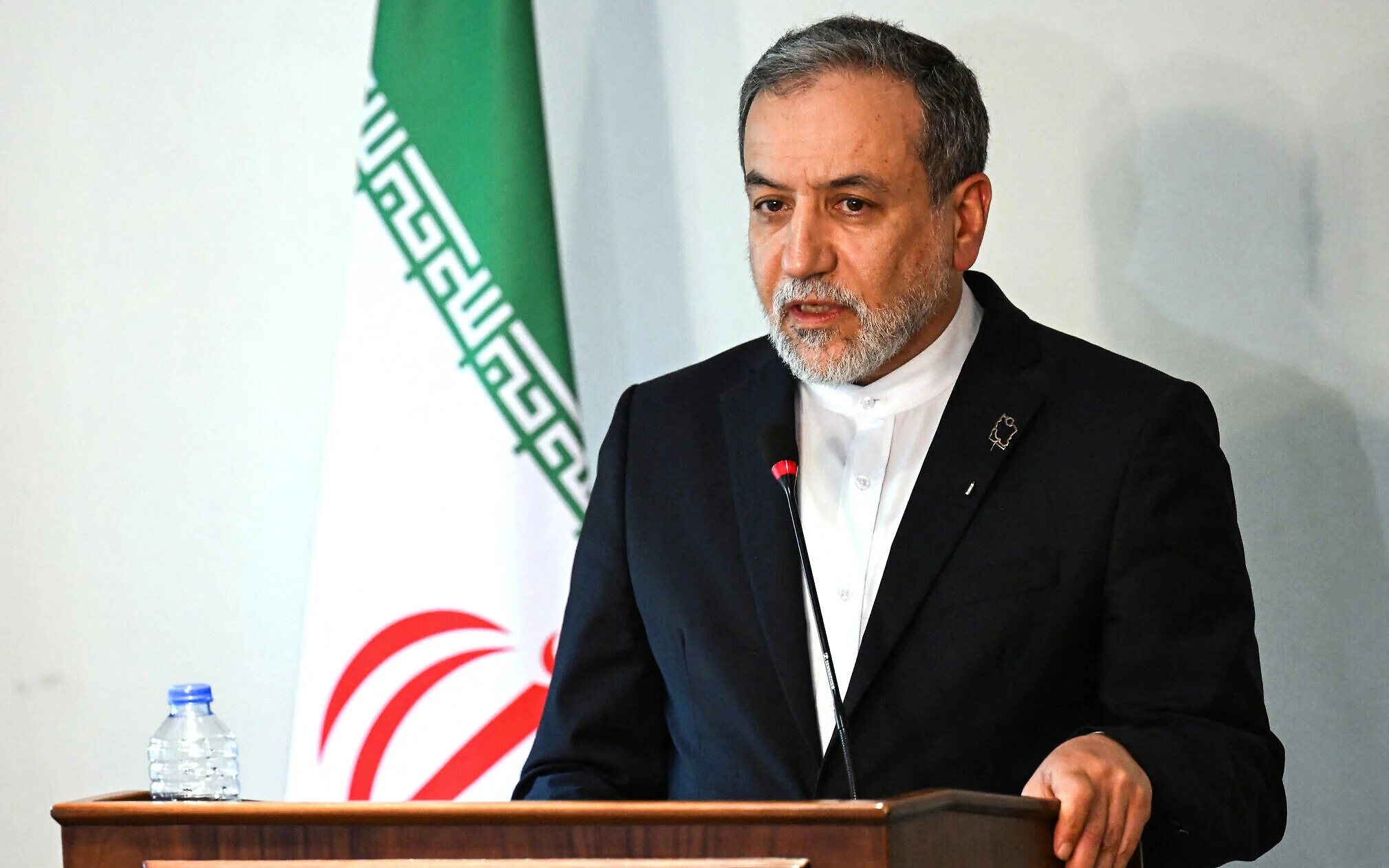
Iranian Foreign Minister Abbas Araghchi firmly stated that any negotiations would be meaningless as long as Israeli aggression continues unchecked. Speaking to reporters upon his arrival in Geneva for scheduled talks with European foreign ministers, Araghchi made it clear that Iran will not discuss its defensive missile program under any circumstances. He emphasized that Tehran views its missile program as a vital element of national security and refuses to negotiate on this matter.
Araghchi also sharply criticized the United States, accusing it of being complicit in Israeli aggression. He said that since Washington is involved in these “crimes,” Iran has no intention of holding direct talks with the U.S. on the issue. While some countries have encouraged Iran to pursue diplomacy, Araghchi clarified that Iran has always prioritized diplomatic engagement and questioned what more it is expected to do to move toward peace.
Highlighting the double standards of Western countries, he condemned them for their silence over Israeli attacks on Iran’s peaceful nuclear facilities. He accused the West of deliberately avoiding condemnation of Israel and ignoring serious questions about these acts of aggression. According to him, this lack of accountability emboldens Israel and undermines efforts for a peaceful resolution.
Araghchi also questioned why Israel continues to enjoy unconditional political and military support from Western countries, particularly the U.S., despite its aggressive actions. He described the U.S. as Israel’s “partner in crime” and accused it of issuing threats against Iran while shielding Israeli aggression from international scrutiny. He stressed that such biased backing only fuels further instability in the region.
These comments come ahead of critical negotiations scheduled in Geneva, where Iranian Foreign Minister Abbas Araghchi is set to meet with foreign ministers from Germany, France, and the United Kingdom to discuss Iran’s nuclear program. The United States has agreed to these talks, signaling a possible window for renewed diplomatic engagement, though Araghchi’s remarks underline the significant hurdles that remain before meaningful progress can be made.