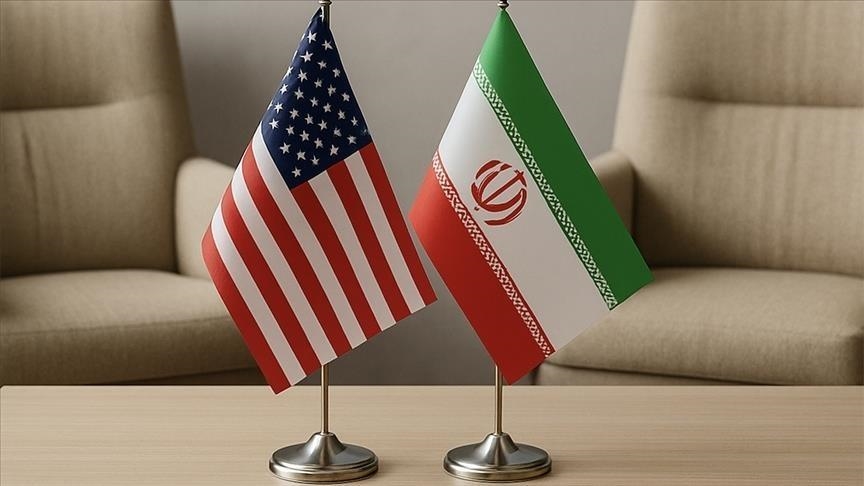
Iran and the United States will hold a sixth round of nuclear talks on Sunday, June 15, in Muscat, Oman. The negotiations have been ongoing since April, but both sides remain divided over key issues. Iran insists on its right to enrich uranium, while the US demands strict limits on enrichment. The talks are being mediated by Oman, which has hosted previous rounds.
Iran has criticized the latest US proposal, calling it unclear and insufficient. Tehran argues that the offer fails to provide sanctions relief, which is a major demand for Iran. In response, Iran plans to present a counter-proposal that it describes as reasonable and balanced. The US, however, remains firm on its stance, stating that Iran’s uranium enrichment must be restricted.
The International Atomic Energy Agency (IAEA) has raised concerns about Iran’s nuclear activities. A recent report criticized Tehran’s cooperation, calling it less than satisfactory. Iran dismissed the findings, claiming they were based on forged documents from Israel. The IAEA Board of Governors is currently discussing Iran’s nuclear program in Vienna, with a resolution expected by Friday.
Meanwhile, Iranian lawmakers have accused the US and Israel of using the talks as a strategic trap. They argue that Washington is trying to pressure Iran into accepting unfair terms. Iran has warned that any hostile resolution at the IAEA meeting will be met with a strong response.
The upcoming talks could determine the future of the nuclear negotiations. If no agreement is reached, tensions may escalate further, increasing the risk of military conflict. Both sides remain firm in their positions, making a breakthrough uncertain.