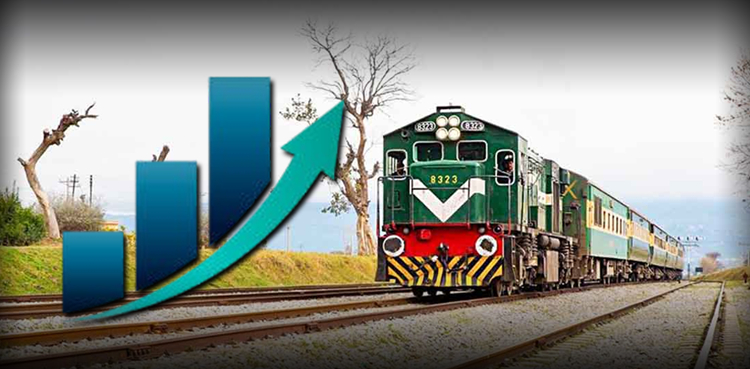
LAHORE, May 30, 2025 — Pakistan Railways has achieved a major financial milestone by generating a record-breaking Rs. 83 billion in revenue over the first eleven months of the current fiscal year. This is the highest-ever income recorded in this time frame in the organization’s history, signaling a strong rebound in operations and management reforms.
According to official figures, the passenger train sector brought in Rs. 42 billion, showing renewed public trust in rail travel after several recent service upgrades and punctuality improvements. The freight sector contributed Rs. 29 billion, reflecting Pakistan Railways’ growing role in supporting trade and industrial logistics. An additional Rs. 12 billion was earned through miscellaneous revenue streams, including leasing, land utilization, and partnerships.
Among regional divisions, Karachi Division emerged as the top earner, contributing a combined Rs. 38 billion — Rs. 13 billion from passengers and Rs. 25 billion from freight. Lahore Division followed, bringing in Rs. 10 billion from passenger trains and Rs. 0.75 billion from freight. Meanwhile, Rawalpindi and Multan Divisions each recorded Rs. 4 billion in passenger earnings, highlighting strong regional connectivity.
This performance shows a sharp increase compared to last year’s Rs. 77 billion in the same period — a jump of over 7.7%, despite economic challenges and inflationary pressures. The surge reflects better efficiency, route optimization, and strategic freight deals with key industries, including cement and agriculture.
Federal Minister for Railways Muhammad Hanif Abbasi congratulated the entire Pakistan Railways team and praised their dedication and teamwork. “With continuous reforms and focus on results, we are reviving Pakistan Railways step by step. This success shows that we’re on the right track,” he stated.
Pakistan Railways remains committed to modernizing infrastructure, improving customer service, and building a sustainable rail system that boosts connectivity and supports the country’s economic growth.