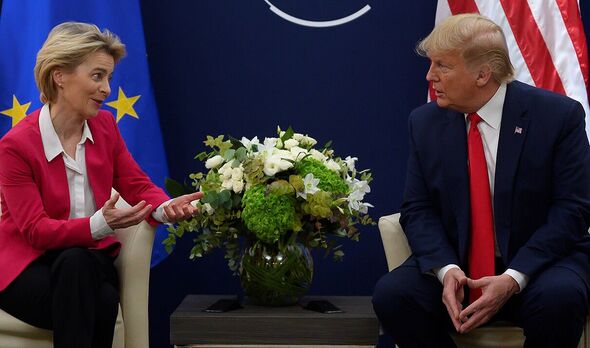
US President Donald Trump has decided to delay his earlier threat of imposing a 50% tariff on European Union imports. Originally scheduled to take effect on June 1, the tariffs are now on hold until July 9, giving both sides time to reach a trade agreement. This decision followed a request from European Commission President Ursula von der Leyen during a phone call on Sunday.
Trump’s initial tariff warning on Friday created fresh panic in global markets. The threat caused stock markets to drop, the US dollar to weaken, and fears to rise of worsening trade tensions between two major global economies. Trump had earlier set a 90-day window for talks in April, but surprised many by claiming last week he was no longer interested in a deal.
Von der Leyen urged Trump to stick with the original deadline and said the EU needed more time. Trump agreed, calling their phone discussion “a very nice call.” Von der Leyen later confirmed that the EU was ready to move quickly and work toward a fair deal, hoping to avoid damaging tariffs.
The US and EU have had tense trade relations in recent years. Trump believes the EU takes advantage of American businesses and has repeatedly expressed frustration over slow progress in trade talks. This tension is part of a wider clash over defense spending, economic competition, and Trump’s “America First” policies.
Although the US has reached agreements with the UK and reopened dialogue with China, the EU remains a challenge. The coming weeks will be crucial. If a deal isn’t reached by July 9, the US may go ahead with the steep tariffs—further straining ties between the longtime allies and rattling global markets once again.