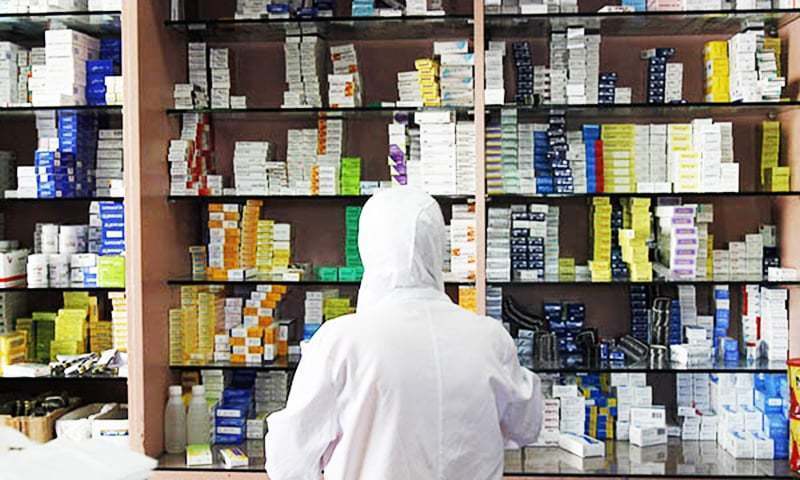
Pakistan’s retail pharmaceutical market has crossed Rs1.049 trillion in sales by March 2025. This marks a 20.6% increase in rupee terms and over 23% in dollar terms. However, this growth came mainly from rising medicine prices. According to global data firm IQVIA, the actual number of medicines sold only increased by 3.6% over the year. This raises serious concerns about affordability and access to healthcare for ordinary Pakistanis.
Most of the revenue growth came from price hikes. In fact, 69% of the increase was due to companies charging more for the same medicines. Only 18% came from higher sales volumes, while new medicines contributed just 10%. Experts say this shows that people are not using much more medicine. They are just paying more for what they already use.
Local pharmaceutical companies remained market leaders. They sold 2.91 billion medicine units, showing a 5% increase in volume. On the other hand, multinational companies sold fewer units but earned more revenue. This was because they raised prices significantly. Companies like GSK, Abbott, and Novartis reported strong sales despite lower demand.
Additionally, the market remains dominated by a few big players. Around 87 companies earned over Rs1 billion each and held more than 96% of the market. The top 20 firms—including Getz Pharma, Sami, and Searle—alone made Rs450 billion. Meanwhile, 636 new products were launched during the year, but most of them came from local companies and made up less than 1% of total sales.
Health experts warn that the high cost of medicines is becoming a serious issue. Despite the impressive revenue figures, actual medicine use is not growing much. This points to a gap in access to basic healthcare. Experts urge the government to control prices, improve public health programs, and make essential medicines affordable for everyone.