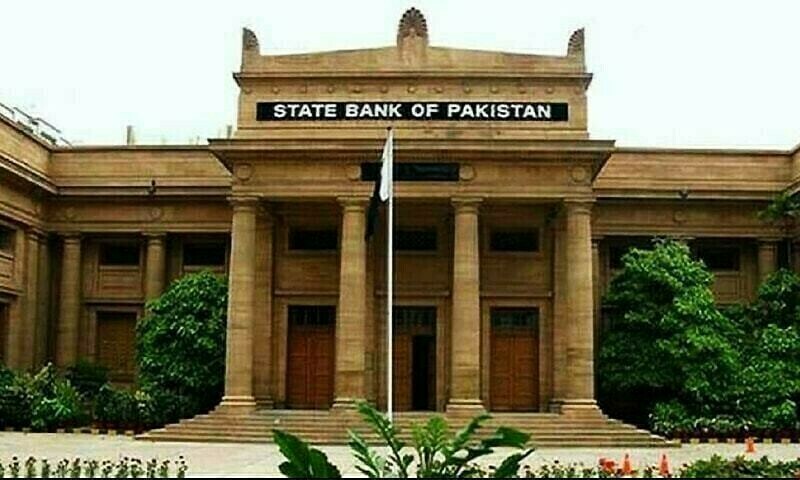
In response to increasing tensions with India, the State Bank of Pakistan (SBP) has instructed commercial banks to closely monitor the outflow of US dollars. Officials fear that further escalation could raise demand for dollars, putting pressure on Pakistan’s already fragile economy. Currency dealers, however, say that so far there has been no unusual rush to buy dollars in either the interbank or open market.
A major concern is the dominance of Indian exchange companies in handling remittances to Pakistan, especially from the Middle East. Over 90% of remittances are said to flow through these firms. Experts warn that in the event of a full-scale conflict, India could use its influence over these channels to economically pressure Pakistan. These companies collect local currency from overseas Pakistanis and send dollars to Pakistan through banking channels, earning up to Rs15–20 per dollar as incentive from the SBP.
Despite rising political tension, the currency market remained calm throughout the day. Zafar Paracha, General Secretary of the Exchange Companies Association of Pakistan, confirmed there was no spike in demand for dollars. He added that while Pakistan could manage a short-term dollar shortage, a prolonged conflict would damage both nations’ economies.
Market analysts believe that full-scale war is unlikely, as both countries have a lot at stake economically. Though the market opened with panic after reports of unprovoked Indian attacks, stability soon returned. Minor fluctuations were seen in swap premiums and bond yields, but overall, investor sentiment stayed steady unless the conflict escalates further.