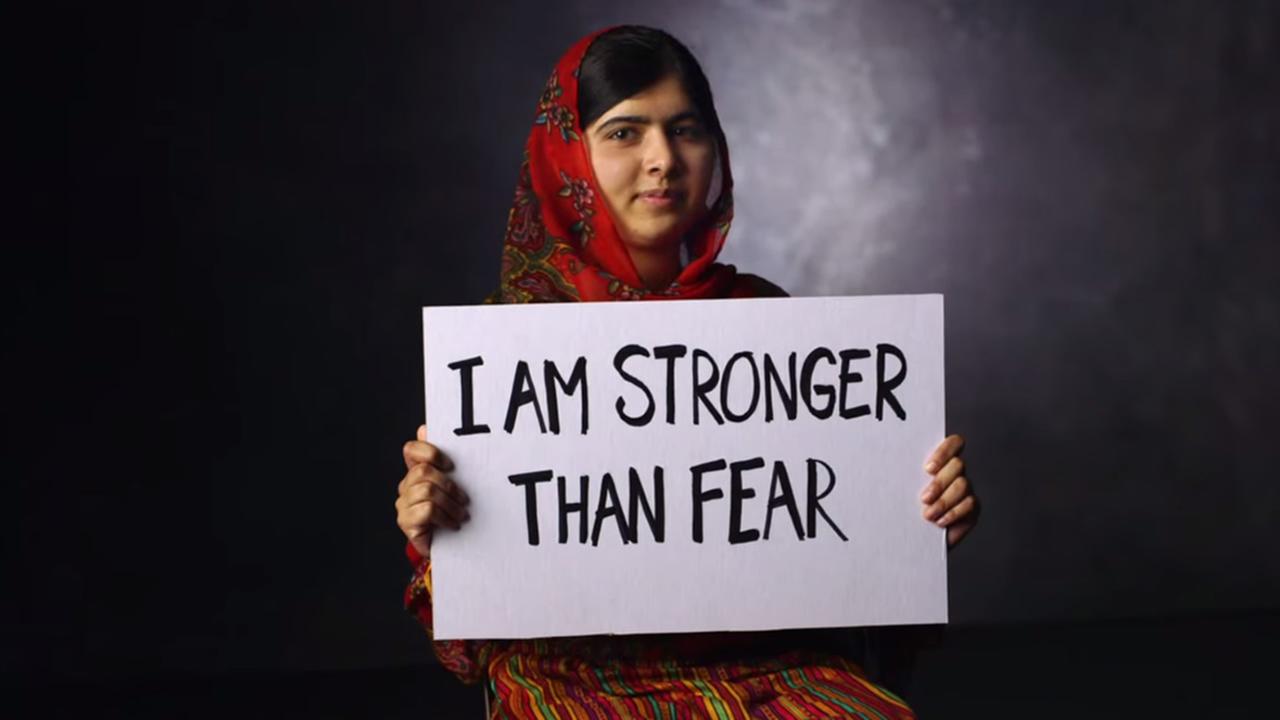
When the pictures of youngest Nobel Laureate Malala Yousafzai in western attire surfaced on the social media, which is a true “barometer” of public opinion in Pakistan, all who monopolized the right to speak in the name of Islam raised the cry of obscenity and violation of Islamic dressing code: Never! How could a young woman dare to choose the attire that is generally thought to be against Islamic ethics?
Invoking Islamic tradition, they decried the young lady’s clothing as rebellion and transgression of norms. For several weeks, the nation on social media was locked in an unnecessary and unproductive debate over a woman’s dress. The controversy was reminiscent of the one that arose after Malala was shot by Taliban; the subsequent divergent popular opinions over the incident represented a continuous tussle between country’s progressive voices and the ones that advocate and disseminate paranoia regarding Pakistan’s existential security and well-being as an Islamic polity.
While it’s obviously not an alien practice for a young woman in Pakistan to put on a ‘western dress’ in universities and colleges, the pedantic slamming of Malala is symptomatic of two factors; Firstly, her public image which inadvertently came to be generally associated with liberal and progressive voices – the ‘traitors’ and ‘enemies’ of Pakistan.
Secondly, the subconscious patriarchal, and misogynistic expectation from a woman to wear modest dresses when she is abroad. In societies like ours, where women are thought to be guardians of reputation and ‘honour’ of tribes, fathers, country or men in general, it is expected from men to dictate women to take certain measures to preserve their ‘chastity’ and ‘modesty’.
The underlying ‘commodification’ of women automatically translates into the framework in which the so-called purity and integrity of the ‘commodity’ determines the honour and prestige of men. If the ‘commodity’ asserts its independent existence, the fragile male ego is hurt. Perhaps Malala was also being expected to wear a burqa or traditional shalwar kameez in the Oxford University to represent her ‘culture’ as a true qaum ki beti. No! She is an independent individual, she will represent nothing but her true self and assert her own existence and not what men in Pakistan would expect her to represent. An empowered woman cannot be representative of society where she is still a contentious figure. She, fortunately, lacks docility.
How many female students of Pakistani universities who wear jeans have triggered a debate over their clothing on social media?
Similarly, it would be expected from a Pakistani actress to not perform on bold item songs or do sensual scenes in Bollywood. However, the same actress would be allowed to perform typical Mujras on robust Punjabi songs in Lahore’s theatres. The male ego directly intervenes and determines the intensity and nature of things women do.
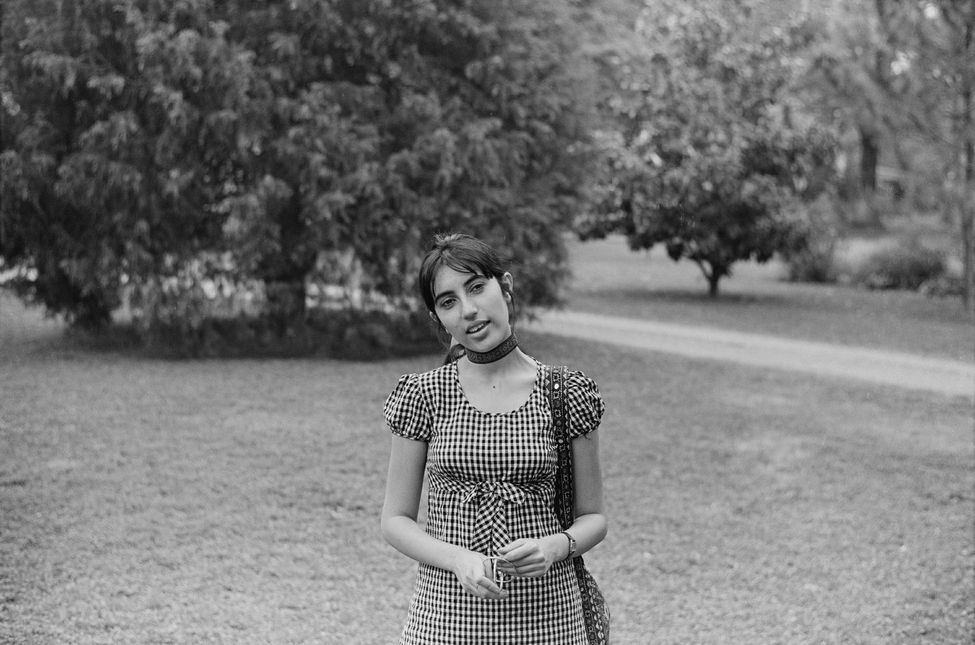
While Malala’s brave and relentless activism and defiance in front of society’s regressive norms has already triggered off Pakistani men’s paranoia about their patriarchal and misogynistic aspirations, there is a regrettable and unfortunate dearth of debate over real issues that continue to harm and corrode country’s very social and political fabric.
All the forces that despise Malala and once despised woman like Benazir Bhutto are the embodiments of misogyny, fascism, patriarchy, radical Islam and security paranoia.
The press and other platforms that generally echoed with the controversy also overlooked the intriguing point: Malala is not the only woman in Pakistan to attend an international university and don a western dress. The people who chose to discredit their young rival resorted to Islamic tradition only after they failed to sabotage her activism and ambitions. Their hatred for Malala predates the viral photo. Perhaps the last straw was Malala’s admission to the world’s best university.
Otherwise, it would hardly be possible for most of the people living in big cities of Pakistan to have recourse to the 7th century’s dressing ethics to discredit a female university student. How many female students of Pakistani universities who wear jeans have triggered a debate over their clothing on social media?
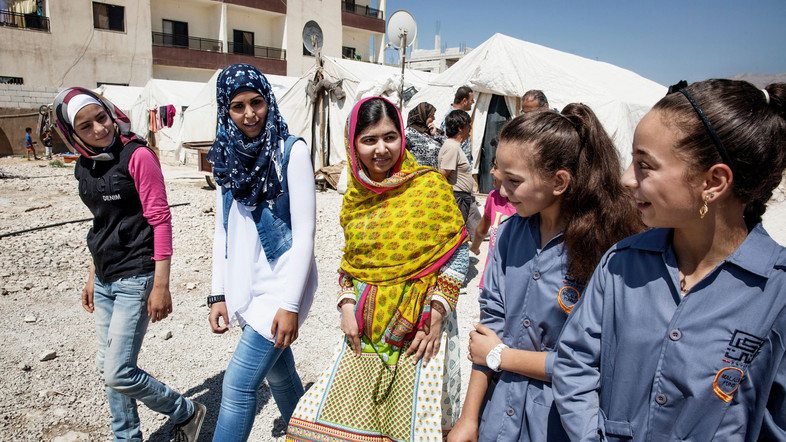
Everything that Malala does is politicized since, as mentioned above, the young Nobel laureate has inadvertently come to be affiliated with the progressive forces that are generally branded as traitors according to the state narrative as well as popular opinion.
Even if many of them do not explicitly or consciously ascribe to the ideology of Taliban, the ugly and horrid tactics and methodology used by them blurs their distinction from the hardcore extremists
In hindsight, it is clear that Malala will continue to be a contentious figure in her own country. Controversies over her activism, attires and political views will continue to erupt. However, ridiculous notions of ‘good’ and ‘bad’ Taliban still exist. The apologists of extremist forces are bent on vilification of her public image and will keep attempting to do what Talibans couldn’t succeed in; silence her voice.
The mulish and obdurate hatred for Malala, the emblem of the fight against terror, is reflective of a decades-old tussle between society’s progressive and regressive forces. Even if many of them do not explicitly or consciously ascribe to the ideology of Taliban, the ugly and horrid tactics and methodology used by them blurs their distinction from the hardcore extremists; when the goal and repercussions are same in quality, the ostensible multiplicity or divergence of opinions is nothing but a deception and a venomous injection in the public discourse, a vicious but subtle attempt to materialize the aspirations of those with guns and bombs by trotting out their ideas as a weapon to defame any sane and peaceful voice.
All the forces that despise Malala and once despised woman like Benazir Bhutto are the embodiments of misogyny, fascism, patriarchy, radical Islam and security paranoia. On the other hand, Malala’s very existence will keep acting as a catalyst for reforms and liberation.
Amidst this chaos and controversy, there is a dying hope of whether society will ever come to realize the real ills that continue to harm us.
“The extremists are afraid of books and pens, the power of education frightens them. They are afraid of women.” ― Malala Yousafzai