 A deep dive into foreign affairs and Pakistan’s diplomatic challenges
DT: We would like to start off with the current global turmoil. Whether it’s the Syria, Palestine, or even the ongoing internal and external conflicts within Pakistan, the world seems to be in a state of constant war. How is Pakistan adapting to this environment?
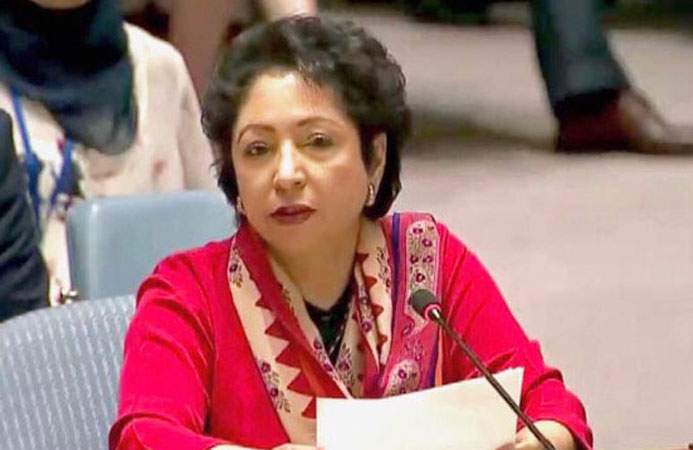
MALEEHA LODHI: The world today is undergoing a dramatic shift, and it’s not just military might that defines power anymore, it’s also economic strength and soft power. The past few decades have shown us that these factors now play a major role in global diplomacy. From the war in Gaza to the conflict in Ukraine, we are witnessing challenges that are reshaping the geopolitical landscape. For Pakistan, while our longstanding relationship with China places us in a strategic position, we’ve failed to adapt effectively to the evolving global climate. We’ve been preoccupied with domestic issues and have neglected a much-needed, broad review of our foreign policy. The last such review was more than two decades ago. We must realign ourselves to the multipolar world we now live in. Pakistan has the potential to be a middle power, able to influence global geopolitics, but this requires significant domestic strengthening, particularly economically.
DT: That’s a very well-constructed view. Now, let’s take a step back. You were the founding editor of a newspaper before transitioning into foreign affairs during Nawaz Sharif’s tenure. What drove you to shift gears and take on foreign affairs? And what motivated you to enter journalism in the first place?
MALEEHA LODHI: My journey in diplomacy began under Benazir Bhutto’s second term. It was actually her offer to represent Pakistan in Washington that set the course for my career. At the time, I had no experience in diplomacy, and I remember telling her, “You’re sending me to one of the most prestigious posts in Pakistan’s diplomatic network, but I don’t have the experience.” She looked at me and said, “When I became prime minister, I didn’t have experience either. If I can do it, so can you.” That was my turning point. It was an extraordinary opportunity and a tremendous leap of faith, but it shaped my entire career. Since then, I’ve had the privilege of serving Pakistan in various diplomatic capacities. And yes, journalism was my entry point—it gave me a platform to voice my ideas on foreign policy before I took on the diplomatic role.
DT: That’s an inspiring story. Over three decades of serving in different capacities, you’ve undoubtedly faced many challenges. What kept you going through the tough times, and how did you become the bold, resilient figure we know today?
MALEEHA LODHI: You’re absolutely right. There were numerous obstacles and challenges along the way. But I believe that my commitment to Pakistan and to my profession was my driving force. If you’re representing your country, you can’t give anything less than your best. Moreover, having a supportive family was crucial. The personal factor often gets overlooked, but without the encouragement from my family, it would have been incredibly hard to navigate some of those difficult phases. Their moral support was invaluable in keeping me focused and determined.
DT: Moving on to a very relevant issue today: Do you believe Pakistan has made significant progress in terms of women’s participation in politics, media, and foreign affairs? What more needs to be done?
MALEEHA LODHI: We’ve definitely seen progress. More women are participating in politics, media, and even ambassadorial roles today than ever before. However, there’s still a distinction to be made between those women who inherit their positions due to family connections and those who earn it through hard work and merit. I count myself among the latter. I believe that women who achieve success on their own terms—without relying on a famous surname—are the real trailblazers. That said, figures like Benazir Bhutto, who paved the way for women in leadership positions, have shown that women can not only be part of politics but can lead the nation. In media, the growth of women journalists, especially in broadcast and editorial roles, is a testament to this positive change. Overall, society is more accepting of women in these fields, though it’s a gradual process. There’s still work to be done, especially in breaking stereotypes and ensuring equal opportunities for all women.
DT: Lastly, where do you see Pakistan’s foreign relations in the coming five years, especially with countries like the USA, China, and Israel? Do you think Pakistan is on the right diplomatic path?
MALEEHA LODHI: Pakistan faces several complex challenges, both regional and global. We have a long-standing diplomatic impasse with India, and issues with Afghanistan and Iran remain unresolved. However, at a global level, our relationship with China remains our primary strategic concern. It’s a relationship that continues to grow stronger, and China meets Pakistan’s defense and economic needs. On the other hand, our relationship with the United States has been in flux since the US withdrawal from Afghanistan. The future of this relationship will depend on how both countries navigate the changing geopolitical realities, especially with a potential second term for President Trump. As far as Israel is concerned, our stance has remained consistent. Our focus should always be on ensuring peace in the region, and Pakistan’s position on the Palestinian issue remains firm.
In terms of the future, I believe that for Pakistan to thrive in foreign affairs, it must first strengthen its internal foundations—particularly its economy. Only then can we play an effective and independent role on the global stage. Foreign policy begins at home, and without a strong, independent Pakistan, our foreign policy will not be as impactful as it could be.