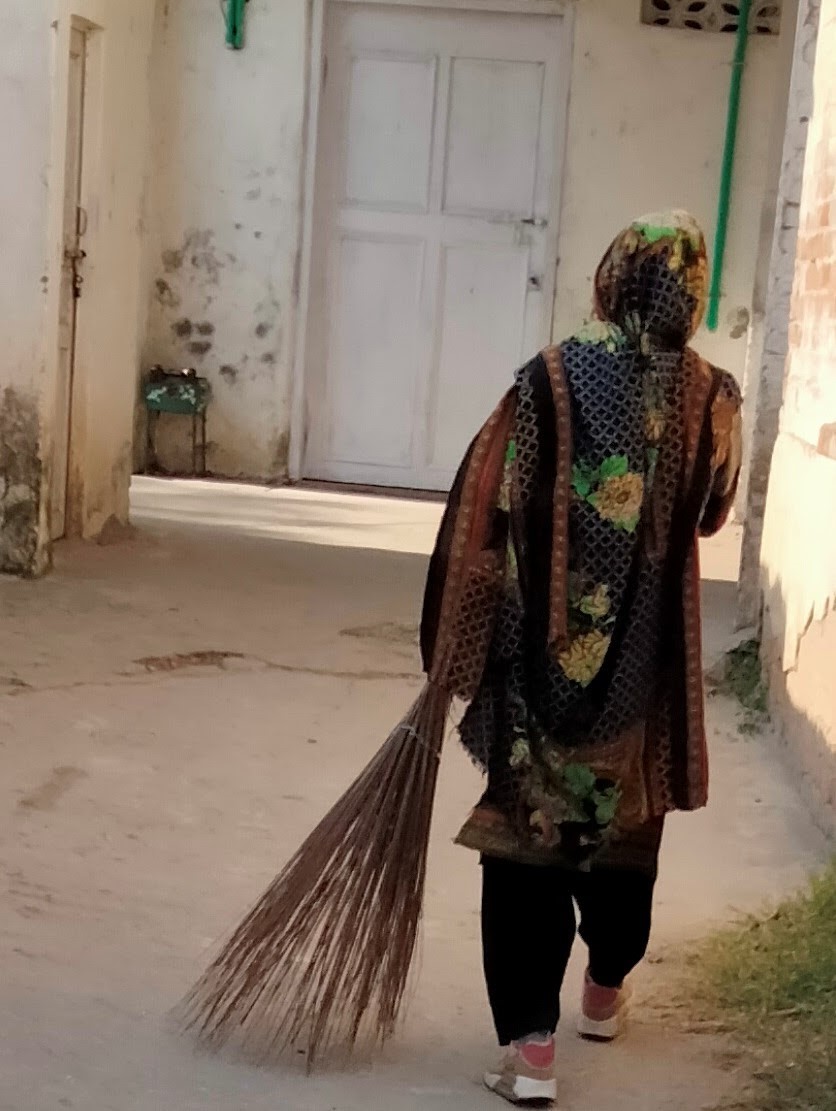
Unlike many Hindus and Sikhs who migrated from India to Pakistan at the time of partition, Christians stayed here and settled across the country. Approximately 1.59 percent of Pakistan’s population is Christian, according to the 1998 Census. The exact number is unknown, but estimates range from less than 2 million to more than 3 million. Despite the presence of Christian communities in Khyber Pakhtunkhwa province, including around 0.21% in Peshawar, most Pakistani Christians live in Karachi, Lahore, Faisalabad, and numerous other smaller communities in Punjab.
Historical Background:
Christianity has a centuries-long history in South Asia. However, some of Pakistan’s Christian population is descended from low-caste Hindus who converted under British colonial rule to escape caste discrimination. Christian traders from Goa and elsewhere also settled in Karachi. Although Pakistan is a Muslim country, many people belonging to the Muslim majority still display deeply discriminatory attitudes towards Christians due to the legacy of the caste system. One such example is Christian maids in Pakistan who also face these challenges related to their religious beliefs, work, and patriarchal constraints. So, Ravadar came across some real stories to highlight the discriminatory practices in Pakistan.
Saima*, 21, and Martha*, 52, are two Christian mother and daughter domestic workers from Islamabad who used to work at the same house. One day, a male housemaster told Martha not to accompany her daughter to work but to send her alone. This sounded alarming, and when the insistence grew, the mother and daughter finally decided to quit their jobs.
When Ravadar got a chance to interact with these ladies and further inquired about the incident, Martha narrated with fear, “The master took advantage of us because his wife stayed out most of the time for work purposes, so he used to give us money to buy food for our poor family. This sympathy always felt like a trap to me”.
Both mother and daughter shared this incident with Ravadar and said that they are uneducated and the only source of income is domestic work. They didn’t find any help to raise our voices against this harassment. For them, the only option is to keep their mouths shut and remain silent forever.
When Ravadar asked Martha’s daughter what happened to her? In a fearful tone, she stated that “one day my master found me alone cleaning his bedroom. My mother was sick and couldn’t come to work. So, when the owner’s wife left home to go to work, he approached me and asked for intercourse. I got scared, refused his offer, and ran away from his house quickly. I shared this horrible incident with my mother, and finally, we both decided to leave the job. It’s not just that day, before that too, he had shown weird gestures and said intimidating words to me many times. But still, I’m afraid that he might follow me or cause any harm to me”.
Poor Martha is also upset about losing her income. In addition, Martha shared her concerns that, “apart from this incident, I have noticed that housemaids are constantly threatened with false accusations by their masters, and for young Christian maids, conversion to Islam is also a significant worry too. Once any Christian maid is denied marriage or sex with her master, she is being raped and killed, and some incidents have already been reported. These types of incidents are not new. Several events within housemaids’ daily routines are not reported and are unregistered. Lack of education and awareness about their rights prone them to extreme danger”.
Also, another incident came to Ravadar’s attention when they met a Christian woman from impoverished background. She moved to Rawalpindi with her two young daughters after separation from her husband and started working as a maid for a Muslim family of Rawalpindi.
Today, she introduces herself as a Muslim woman. Ravadar asked her how she was converted to Islam. She said, “The family I work for offered me financial support if convert to Islam. It was a helpless situation, and I had no other choice. I am poor, and the family used this to exploit me “.
Further, the family even promised her to find a Muslim man for her second marriage, supporting her and caring for her two daughters. As a result, she used to work day and night in that house with her daughters.
The elder daughter, who was nine years old, also used to help her mother at work. For the second marriage, the lady was introduced to a Muslim man (Muhammad Usman) who visited her house every day. He lived there most of the time, betrayed her and her daughters, and never married her. The family she was working for shifted and did not take on any further responsibility. She was betrayed by the family that converted her to Islam, and they later abandoned her with her daughters.
In both cases, we have seen, in the end, either the maids would have to quit the job and accept poverty as their fate or fall into this temptation of forced conversion, leaving their Christian faith, which is quite worse.
Domestic workers from all the minority groups living in Pakistan are threatened and harassed. Still, the worst cases are seen in the Christian community as most women from this community are housemaids. They are not treated well. Christian women are treated as ‘impure/unclean’ human beings. These ladies are not allowed to work in the kitchens, but they are appointed only for cleaning the houses.
These ladies are all victims of the caste system that has been in our cultural roots for centuries. In this region, the lower caste is known as “unclean,” considered only for serving the high class. The Christian maids are always tempted for sex with masters, so one of them said, “We are considered clean only for sleeping with our masters but unclean for working in their kitchens”. Besides poverty, Pakistan’s Christians are confronted with aggressive, often violent, and deadly expressions of Islam said Arch Bishop Joseph Arshad of Islamabad and Rawalpindi.
Christian maids are convenient preys to be converted to Islam by families who take advantage of their low-income background, trap them in sexual affairs, and later forced them to convert to Islam. Christians are the largest in number among the minority groups residing in Pakistan. Although there are other minorities, mostly those women do not work as maids. But most poverty-stricken and needy women and girls in Christianity work as domestic servants.
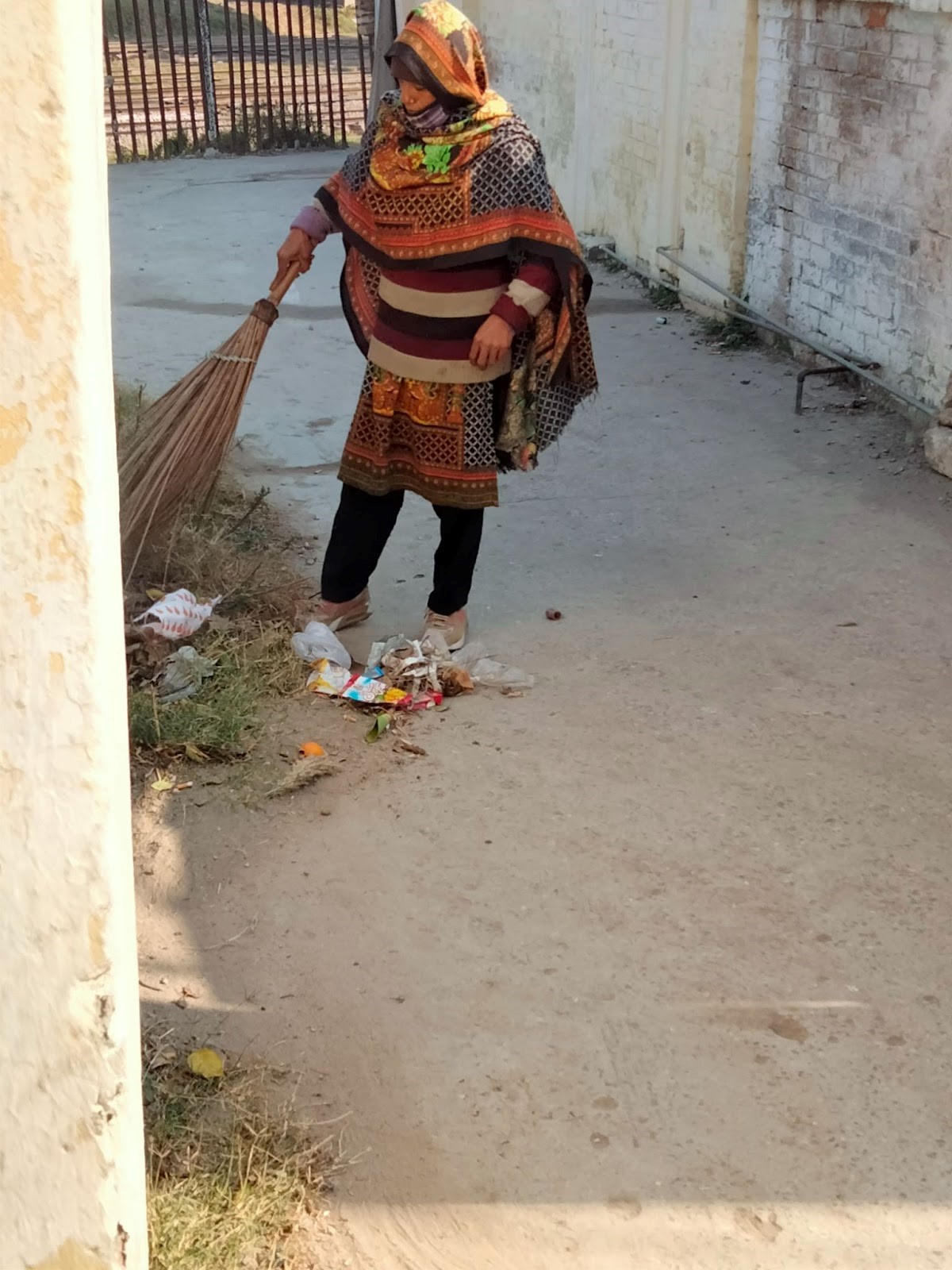
The impoverished and low-income Christians are an oppressed group. The majority mistreat them to show power and authority, for they find no justice. They are even considered for cleaning jobs under cultural context. The educated Christian class is well aware of their rights, so they always speak for it and try to fight against any persecution, but when it comes to the low-income and uneducated group, they are all helpless and abandoned and are prey for the majority.
However, it is concluded that the lack of awareness and law enforcement is the primary cause of Christian housemaids’ victimization. The Punjab government established the domestic worker’s act 2019 but it still lacks enforcement. There is a dire need to take action for the security of low income and needy females who are working hard to earn a livelihood. Government should provide sources of employment to the poor women so they would not work as maids and can earn a livelihood through other means. Community activists, law enforcement agencies, and the collaboration of local, provincial, and federal governments should take action against this act. Minority females need to be protected in Pakistan.
*Names have been changed to protect the identity of the interviewees.
This blog is produced by Ravadar – a blog series documenting the lives of religious minorities in Pakistan.