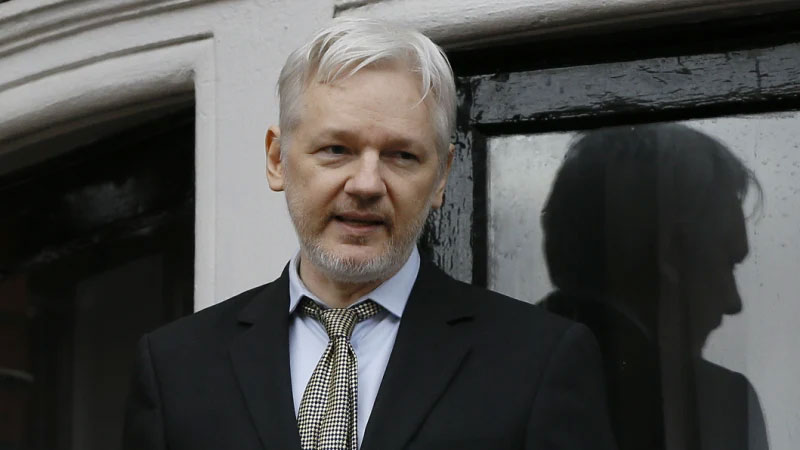
 Ecuador’s decision to abruptly end Julian Assange’s seven-year asylum in its London embassy on Thursday followed a long deterioration in relations, driven in part by suspicions he was secretly fuelling corruption allegations against President Lenin Moreno.
British police on Thursday arrested the WikiLeaks founder, who sought asylum in the Andean nation’s diplomatic mission during the government of former Ecuadorean President Rafael Correa – who saw Assange as a hero for leaking secret US documents.
By contrast, Moreno took a dim view of Assange when he took office in 2017, ordering the Australian hacker to cut back his online political commentary, stop riding his skateboard in the halls of the embassy and clean up after his pet cat.
Moreno’s government accused WikiLeaks of being behind an anonymous website that said Moreno’s brother had created offshore companies that his family used to fund a luxurious lifestyle in Europe while Moreno was a delegate to a U.N. agency.
Moreno denies wrongdoing.
The leaked materials, dubbed the “INA Papers,” contained private photographs of Moreno and his family. After the release of the materials, Moreno said that Assange had no right to “hack private accounts and phones,” without directly accusing him.