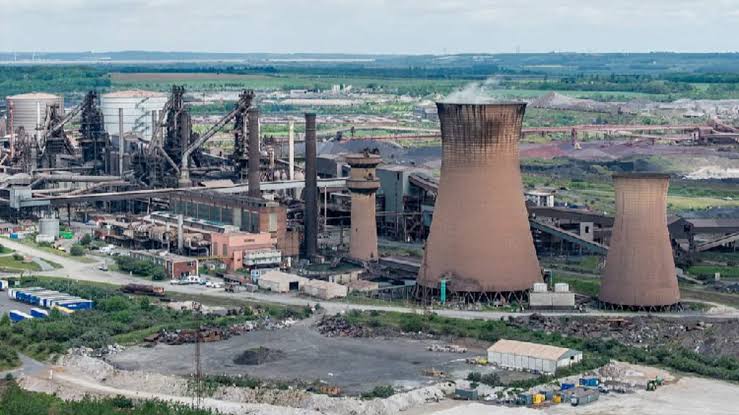
Iran’s Atomic Energy Organisation (AEOI) said the United States carried out strikes on the under-construction Darkhovin nuclear power plant in Khuzestan province early Sunday, further escalating tensions between Washington and Tehran. Iranian authorities stated that multiple projectiles struck the civilian nuclear project at around 3:39am local time, although no immediate reports confirmed casualties or the extent of the damage.
Read more : Iran warns US of severe retaliation after latest strikes –
According to Iranian officials, construction of the Darkhovin nuclear power plant began in 2022, and the site remains under development. The AEOI condemned the reported attack, describing it as a strike on a civilian nuclear facility. Meanwhile, the United States had not immediately issued an official response to the Iranian claims at the time of the announcement.
Separately, Iran’s Islamic Revolutionary Guard Corps Navy reported two incidents involving commercial vessels attempting to leave the Strait of Hormuz through what it described as an unsafe route. The force said both ships were forced to stop after separate “accidents” and claimed the vessels had disabled their navigation systems while ignoring official warnings issued by Iranian authorities.
Read more : Iran warns of wider regional war over US strikes
The IRGC also stated that two additional commercial ships refused to continue along the designated route. Iranian officials reiterated that vessels carrying oil, gas or fertiliser must obtain permission and travel through shipping lanes designated by Tehran, warning that ships using alternative routes could face serious safety risks.
The latest developments come amid growing military tensions following renewed US strikes on Iranian targets and increasing disputes over navigation in the Strait of Hormuz. As one of the world’s most important maritime chokepoints for global oil and liquefied natural gas exports, any disruption in the strategic waterway continues to raise concerns about regional stability and international energy markets.