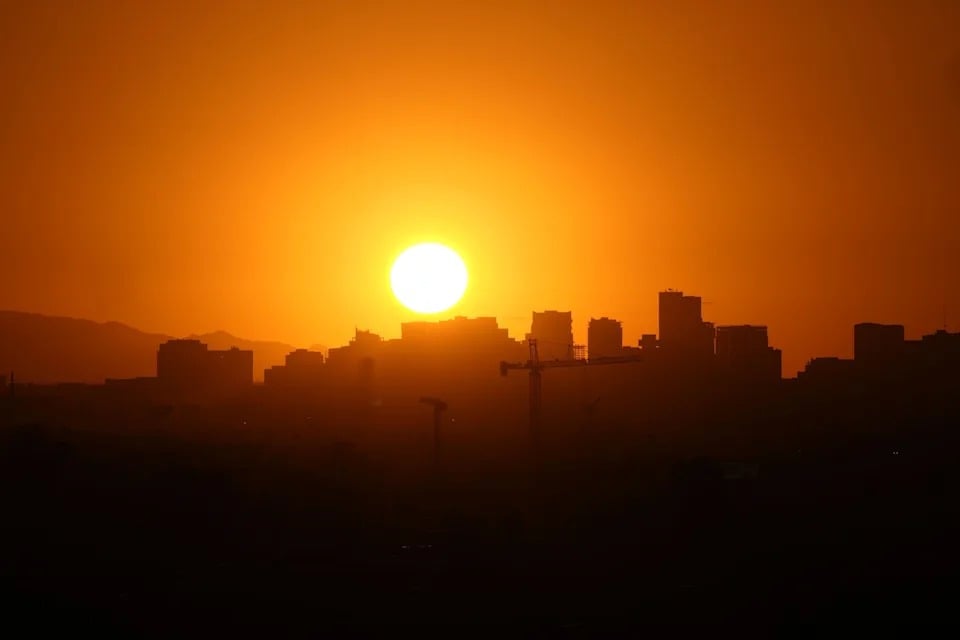
The Northern Hemisphere, including Pakistan, experienced the longest day and shortest night of 2026 on Saturday as the summer solstice took place. The astronomical event marked the peak of daylight hours, bringing extended sunshine across regions and signaling the official start of astronomical summer.
The summer solstice occurs when the Earth’s North Pole tilts most directly toward the Sun, creating the maximum daylight period of the year. As a result, the Sun appears highest in the sky and travels its longest visible path, giving countries in the northern half of the globe extended hours of daylight.
In Pakistan, people experienced approximately 14 to 15 hours of daylight during the event, depending on their location. Moreover, scientists explained that after the solstice, daylight hours will gradually decrease each day until the shortest day occurs in December, when the cycle reverses again.
At the same time, global differences in daylight were also visible, as northern regions like central Alaska experienced more than 21 hours of sunlight. Meanwhile, parts of the Southern Hemisphere, including Antarctica, remained in continuous darkness as winter conditions persisted there.
Furthermore, experts clarified a common misconception that seasons change due to Earth’s distance from the Sun. In reality, seasonal variations are caused by the tilt of Earth’s axis, not orbital distance, which remains relatively consistent throughout the year.
Across the world, the summer solstice also carries cultural and historical importance, with celebrations such as Sweden’s Midsummer festival and gatherings at Stonehenge in the United Kingdom. These traditions reflect humanity’s long-standing connection with sunlight, agriculture, and seasonal cycles.