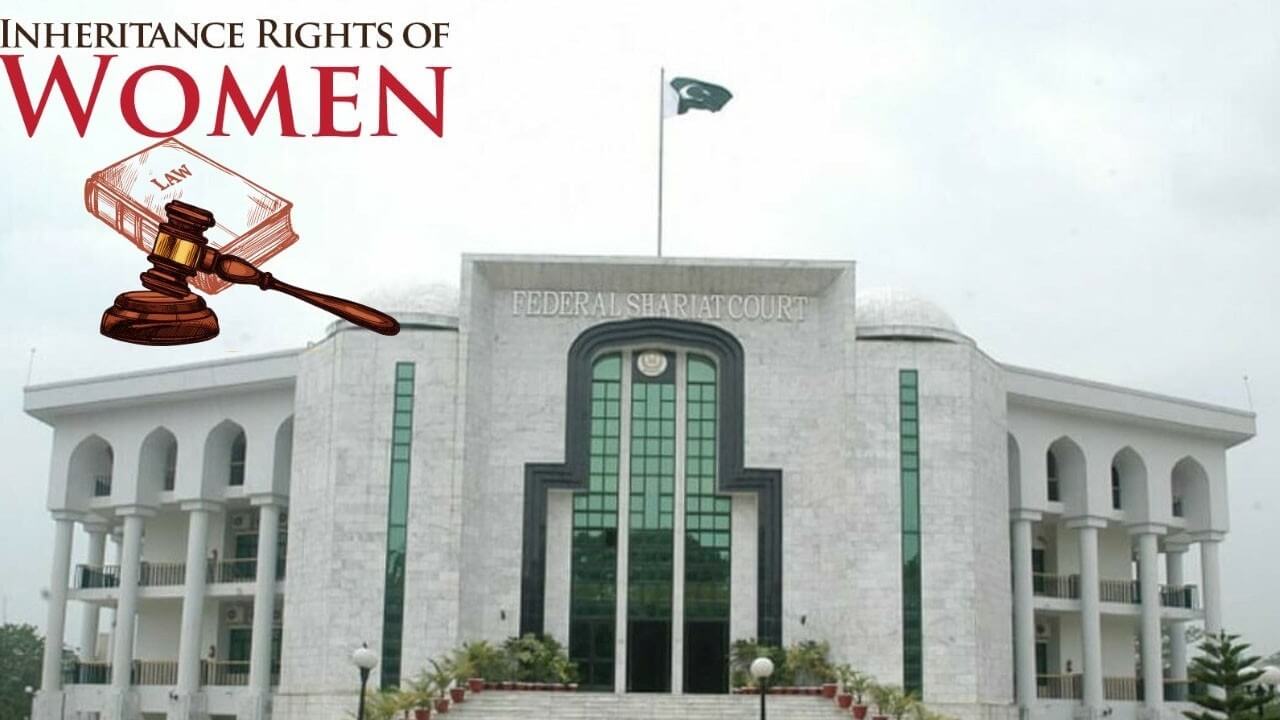
Pakistan’s Federal Shariat Court has delivered a landmark judgment reaffirming that women cannot be deprived of their lawful share in inheritance under any circumstance, declaring that such rights are protected by both Islamic teachings and the Constitution.
The ruling was issued in a case brought by Bibi Amna from Balochistan, who challenged her brothers after allegedly being denied her rightful share in her parents’ property. The court set aside an earlier decision of the Balochistan High Court and ordered a fresh determination of inheritance shares in accordance with the law.
In its judgment, the Federal Shariat Court stated that a woman’s right to inheritance is a divine obligation rather than a privilege granted by society or the state. The court emphasized that inheritance laws are clearly defined in Islam and cannot be overridden by customs, traditions, or family arrangements.
The bench observed that many women in Pakistan continue to face social pressure, coercion, and fraudulent practices that prevent them from receiving their legal share of family assets. It noted that such actions not only violate the law but also contradict the teachings of the Holy Quran.
The court directed lower courts to carefully examine inheritance disputes involving women and ensure that judgments are consistent with constitutional guarantees and Islamic principles. It further instructed the relevant civil court to determine and allocate the lawful shares of Bibi Amna and other legal heirs in all properties belonging to her parents.
Legal experts have described the verdict as a significant step toward strengthening women’s property rights in Pakistan. They believe the decision will serve as an important precedent for future cases, particularly in areas where customary practices often prevent women from inheriting agricultural land, homes, and other family assets.
The judgment is expected to reinforce legal protections for women and encourage stricter enforcement of inheritance laws across the country, ensuring that their rights are safeguarded regardless of social or cultural pressures.