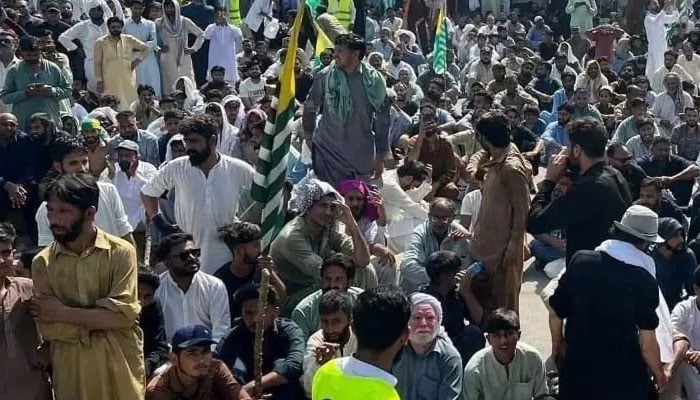
Security sources on Tuesday alleged that recent unrest in Azad Jammu and Kashmir began as a rights movement but later revealed broader objectives. Officials claimed external elements were attempting to create instability in the region. The issue remains significant due to its implications for security, governance, and regional stability.
Speaking to journalists, senior security officials said authorities had long been aware of the agenda and objectives of the Joint Awami Action Committee (JAAC). They stated that dialogue remained the state’s preferred approach and that understanding the full nature of the movement took time. According to the officials, developments in recent months reinforced concerns regarding the group’s intentions.
The sources alleged that India had failed to achieve its objectives in Indian-administered Kashmir and was now attempting to create unrest in Azad Kashmir. They argued that despite political and financial efforts, public sentiment in Kashmir could not be altered. Officials also emphasized that Pakistan’s dispute was with what they described as an oppressive regime rather than the people of Kashmir.
Meanwhile, security officials claimed the Azad Kashmir government had encouraged businesses to remain open, while certain protesters allegedly threatened traders against reopening shops. They said the regional government continued to follow a political process and maintained that any unlawful activities would be addressed through constitutional and legal means. Officials added that the state preferred restraint and dialogue before taking stricter measures.
The briefing also touched on broader national security issues, including terrorism, defence spending, Balochistan, and the Indus Waters Treaty. Security sources reiterated Pakistan’s position on regional affairs and denied reports of any meeting with PTI founder Imran Khan. They further stated that legal action regarding the May 9 incidents would continue and that individuals accused of involvement would face judicial proceedings.