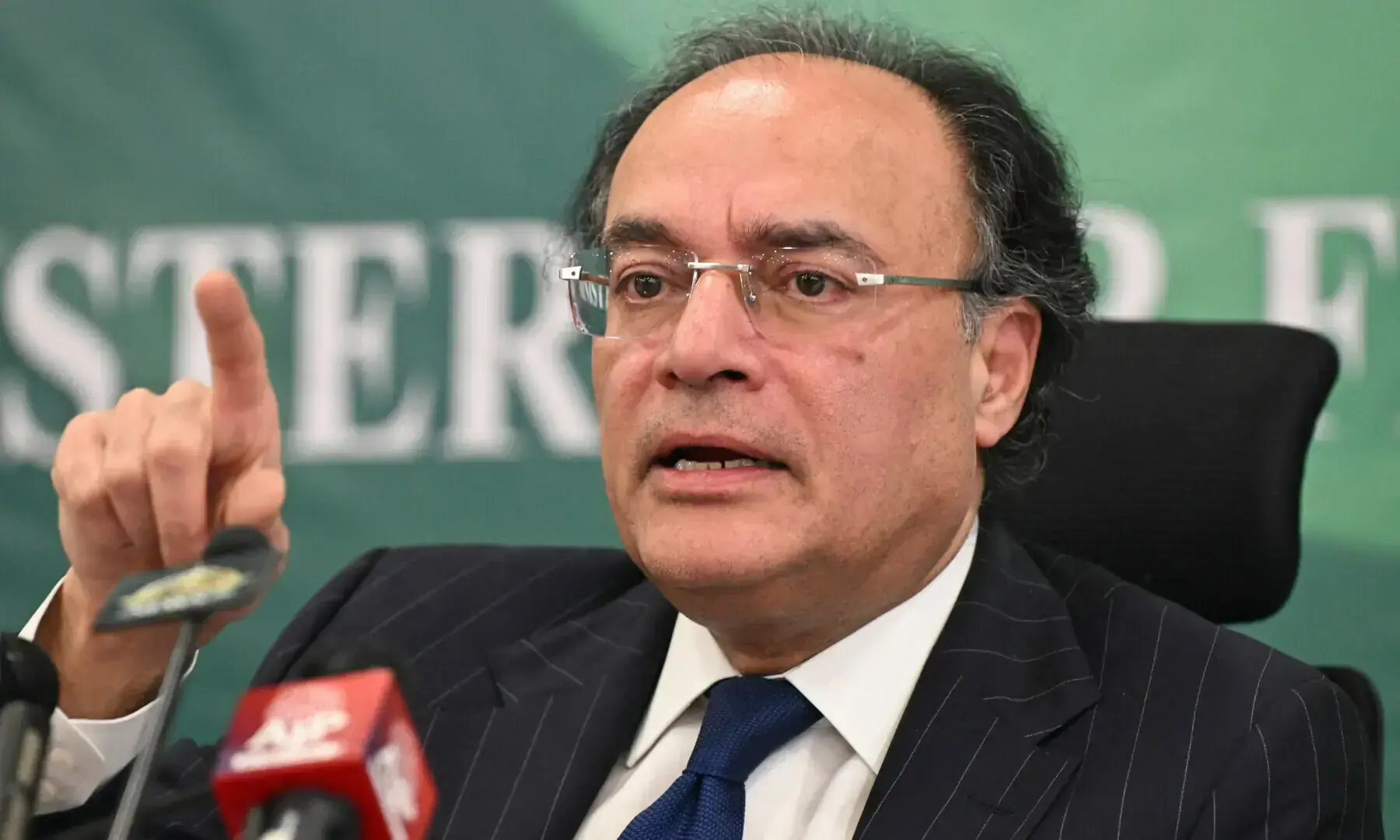
ISLAMABAD: Finance Minister Muhammad Aurangzeb has indicated that the government intends to gradually phase out the super tax, describing its eventual elimination as a key policy objective.
Speaking during a meeting of the Senate Standing Committee on Finance, the finance minister said the government’s direction was clear and focused on ending the super tax over time. He added that efforts would continue every year to further reduce the levy and provide relief to businesses and investors.
“Our direction is very clear — we want to eliminate the super tax,” Aurangzeb told the committee, stressing that the government would keep working toward that goal in future fiscal plans.
During the session, committee member Senator Abdul Qadir proposed increasing the exemption threshold for the super tax from Rs500 million to Rs1 billion. The suggestion was aimed at extending tax relief to a larger number of businesses and encouraging economic activity.
However, Federal Board of Revenue officials cautioned that raising the exemption limit would create a substantial revenue shortfall. Chairman Federal Board of Revenue said that increasing the threshold to Rs1 billion would require the government to introduce approximately Rs250 billion in additional tax measures to offset the loss in revenue.
The discussion comes as the government seeks to balance revenue generation with measures aimed at supporting economic growth and improving the business environment. Recent budget proposals have already included reductions in super tax rates for certain corporate sectors, which have been welcomed by investors and business groups.
Economic experts believe that any further reduction or eventual elimination of the super tax could improve investor confidence and encourage corporate expansion. However, they also note that the government would need to identify alternative sources of revenue to maintain fiscal stability.
The issue is expected to remain a key topic in future budget discussions as policymakers work to achieve growth targets while managing public finances.