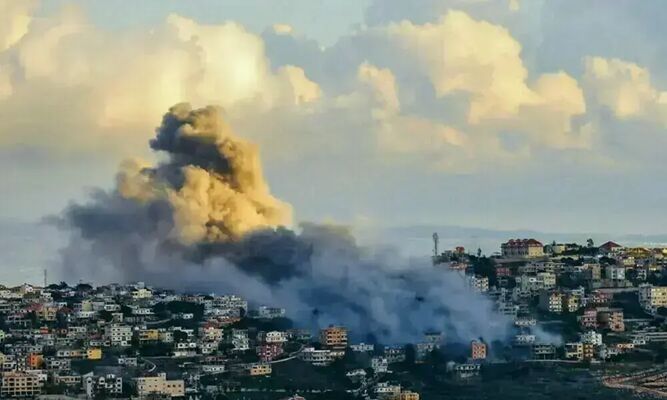
Hezbollah rejected a new Lebanon ceasefire proposal on Thursday, casting doubt on efforts to end regional fighting. The setback threatens diplomatic progress between Iran and the United States over a broader peace agreement. Civilians across Lebanon, Israel, and the wider Middle East could face prolonged instability if talks fail.
The rejection came after Washington helped broker an agreement between Israel and the Lebanese government. Hezbollah leader Naim Qassem dismissed the proposal and said resistance operations would continue. His comments raised concerns about whether the ceasefire can take effect. Lebanese President Joseph Aoun had earlier said the truce could begin within 24 hours of approval by all parties.
Read more: Lebanon says Hezbollah accepts ceasefire proposal
Meanwhile, Israel signaled it would maintain military operations in southern Lebanon. Defence Minister Israel Katz said Israeli forces would neither withdraw nor halt their campaign. The position directly clashes with demands from Hezbollah and Iran. Iranian officials insist Israel must leave occupied areas before any regional ceasefire becomes acceptable.
The dispute carries wider implications for ongoing negotiations between Tehran and Washington. Iran has made a Lebanon ceasefire a condition for any future peace agreement. Iranian officials also warned that continued Israeli attacks could trigger deeper involvement in support of Hezbollah. As a result, diplomats now face growing pressure to prevent the conflict from expanding further.
Read more: Lebanon ceasefire extended by 45 days
Separately, tensions remained high across the Gulf after recent exchanges between Iranian and U.S. forces. Despite the violence, President Donald Trump expressed optimism about possible diplomatic progress. Oil prices fell on hopes that a Lebanon truce could support broader negotiations. However, major differences remain over sanctions, regional security, and Iran’s nuclear program.