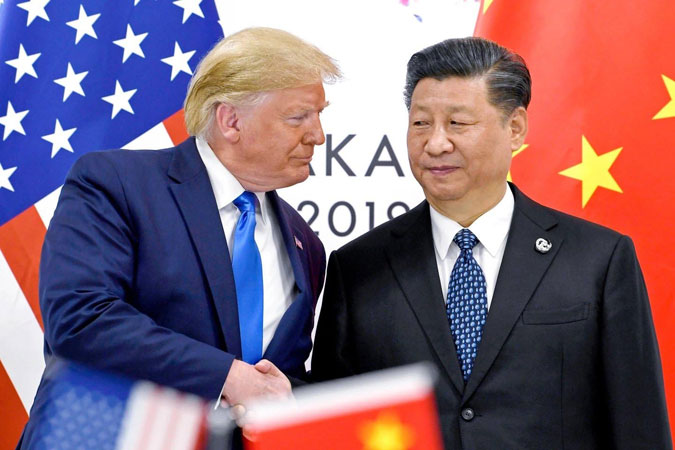
US President Donald Trump travelled to China on Wednesday for a crucial summit with President Xi Jinping. Before leaving Washington, Trump said he did not need Beijing’s help to end the ongoing Iran conflict. The remarks come as tensions around the Strait of Hormuz continue threatening global oil supplies and regional stability.
Trump told reporters the United States could resolve the conflict with or without China’s support. He insisted that preventing Iran from obtaining nuclear weapons remained Washington’s only priority. The US president also dismissed concerns that rising economic pressure on American consumers influenced his strategy toward Iran.
Read more: China visit tests Trump diplomacy strategy
Meanwhile, negotiations between Washington and Tehran remain deadlocked despite a fragile ceasefire lasting more than one month. The United States has demanded Iran end its nuclear programme and stop restricting maritime traffic through Hormuz. However, Tehran has called for compensation, an end to sanctions and a halt to regional fighting involving Hezbollah.
Furthermore, Iran appears to have strengthened its influence over the Strait of Hormuz through new regional energy agreements. Sources said Tehran reached oil and gas transport arrangements with Iraq and Pakistan during the conflict. Other countries are reportedly considering similar deals, raising concerns about long-term Iranian control over the strategic waterway.
Read more: Trump set for key china visit amid Iran war, trade tensions
The conflict continues affecting global energy markets and international security calculations. The International Energy Agency warned that disrupted Middle Eastern supplies could tighten oil markets throughout 2026. Meanwhile, US military forces increased operations near the Arabian Sea as opinion polls showed growing American public dissatisfaction with the war.