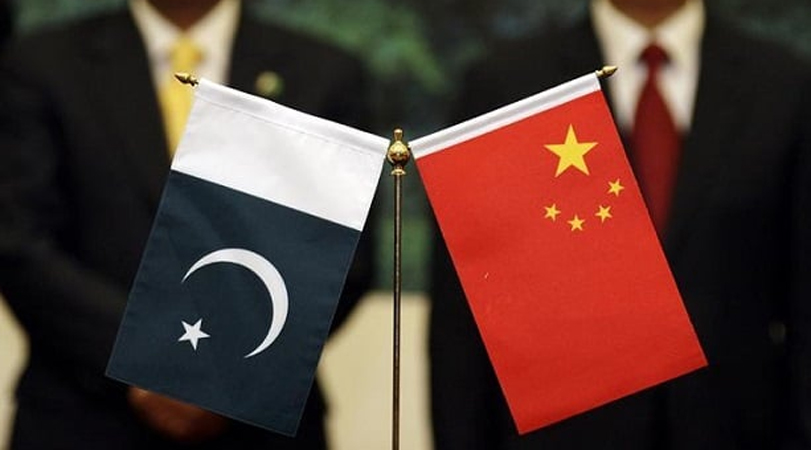
 Prime Minister Shehbaz Sharif is expected to undertake a high-level visit to China in the third week of May, beginning May 23, where he will hold meetings with President Xi Jinping and Premier Li Qiang, while also participating in celebrations marking the 75th anniversary of diplomatic relations between Islamabad and Beijing, according to sources.
The visit, expected to include senior civilian and military leadership from Pakistan, comes at a significant moment in bilateral ties as both countries seek to accelerate cooperation under the second phase of the China-Pakistan Economic Corridor (CPEC), with several memorandums of understanding likely to be signed in trade, infrastructure, technology, agriculture and defence cooperation.
The visit also comes in the backdrop of Pakistan’s mediation efforts which are aimed to defuse tensions in West Asia, particularly between US and Iran. Beijing has been very supportive of Islamabad’s peace efforts and has openly praised Pakistan’s efforts to bring peace and stability in the region.
Pakistan and China established diplomatic relations on May 21, 1951, making Pakistan the first Muslim-majority country to formally recognize the People’s Republic of China. Over the decades, the relationship evolved from strategic coordination during the Cold War into what both sides describe as an “all-weather strategic cooperative partnership.”
The upcoming visit is also being viewed as a continuation of Prime Minister Sharif’s recent engagements with Beijing aimed at reviving momentum in CPEC and attracting fresh Chinese investment into Pakistan. During his last major interactions with Chinese leadership, Islamabad pushed for what officials termed “CPEC 2.0,” focusing less on large-scale energy projects and more on industrial relocation, agriculture modernisation, information technology, mining and special economic zones.
Chinese officials have repeatedly signalled support for Pakistan’s economic stabilisation efforts while urging stronger security guarantees for Chinese nationals working in Pakistan. Security cooperation is also expected to remain a key component of the upcoming talks, particularly after terrorist attacks in Balochistan in the past that had targeted projects linked to Chinese interests.
Analysts say the timing of the visit is significant amid shifting regional geopolitics, growing China-US competition and Islamabad’s efforts to balance ties with major global powers while sustaining its strategic partnership with Beijing.