Military planners from more than 30 countries have gathered in London for two days of strategic discussions aimed at preparing plans to reopen the crucial Strait of Hormuz. The talks focus on restoring safe navigation through the busy maritime route once conditions allow, following weeks of regional conflict that disrupted global energy shipments and raised economic concerns worldwide.
The initiative follows growing international concern over the security of the strait, one of the most important oil transit routes in the world. Governments across Europe, Asia and the Middle East believe coordinated military planning is essential to ensure the safe passage of commercial vessels and stabilize global trade routes affected by ongoing tensions.
Read more : Gulf fears Iran US talks may strengthen Hormuz leverage
More than a dozen countries have already signalled willingness to join a proposed international mission led by United Kingdom and France. The mission aims to protect shipping lanes and support efforts to reopen the strait once a sustainable ceasefire reduces security risks in the surrounding region.
The current meeting builds on earlier discussions held through a video conference that included representatives from nearly 50 countries. The virtual session was widely viewed as an attempt by international partners to coordinate their response after Donald Trump suggested the United States might not require support from allied nations for operations in the region.
Read more : US targets networks supplying weapons to Iran with sanctions
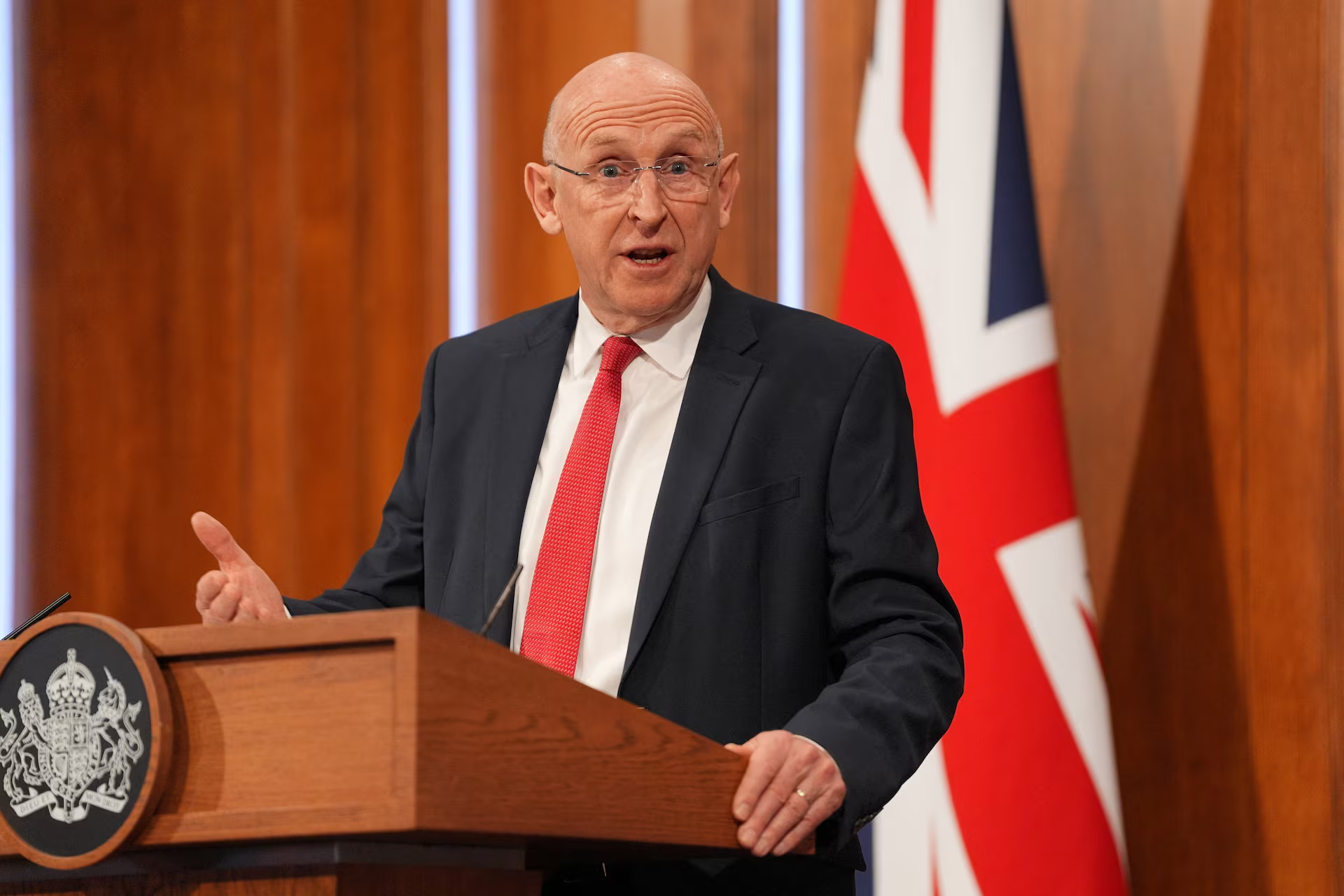
Speaking ahead of the talks, UK Defence Secretary John Healey said the gathering would focus on turning diplomatic agreements into concrete military planning. Officials are expected to discuss operational capabilities, command structures and deployment strategies needed to secure maritime traffic through the strategic waterway.
British defense officials added that reopening the Strait of Hormuz will depend on improved security conditions and a stable ceasefire. Military planners are therefore working to design a coordinated international framework capable of protecting commercial vessels and ensuring long-term freedom of navigation in the area.