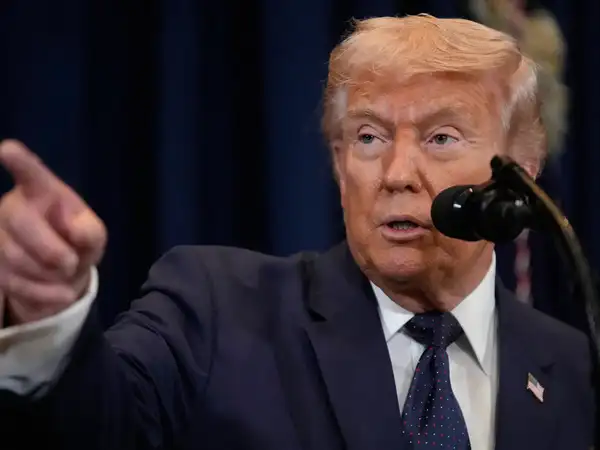
Donald Trump claimed that the United States has almost defeated Iran militarily after weeks of intense confrontation, saying American forces have destroyed much of Tehran’s combat strength. Speaking during a media interview, Trump argued that recent U.S. operations have significantly weakened Iran’s ability to respond effectively, although he acknowledged the country could still attempt limited retaliation.
According to Trump, American strikes have dismantled major elements of Iran’s military infrastructure, including its air force, naval capabilities, and air defense systems. He stated that U.S. forces successfully targeted critical military installations and even attempted strikes against Iranian leadership during the conflict, claiming these operations dramatically reduced Tehran’s operational capacity.
Read more : Trump pressures allies to secure Strait of Hormuz amid war
Furthermore, the U.S. president asserted that Iran’s weapons capabilities, particularly its drone program, have been severely damaged. Trump said the country’s drone production capacity has dropped to roughly twenty percent of previous levels, while the number of operational missiles has also declined significantly due to ongoing military strikes.
Meanwhile, Trump suggested that Iran is eager to negotiate but has not yet accepted conditions that Washington considers necessary for formal talks. He stated that Tehran could agree to these demands at any moment, although current developments indicate that negotiations have not yet reached a serious stage.
Read more : Trump threatens more strikes on Kharg Island, urges allies to protect …
In addition, Trump warned that the United States is preparing further strikes targeting facilities used to manufacture drones. The planned attacks, expected to begin soon, signal the possibility of continued escalation as Washington aims to further weaken Iran’s remaining military capabilities.
The U.S. president also called on other nations to help secure the strategic Strait of Hormuz, through which a significant portion of global oil supplies passes. He argued that countries dependent on energy shipments from the Gulf, including China, should participate in efforts to protect the vital maritime corridor.