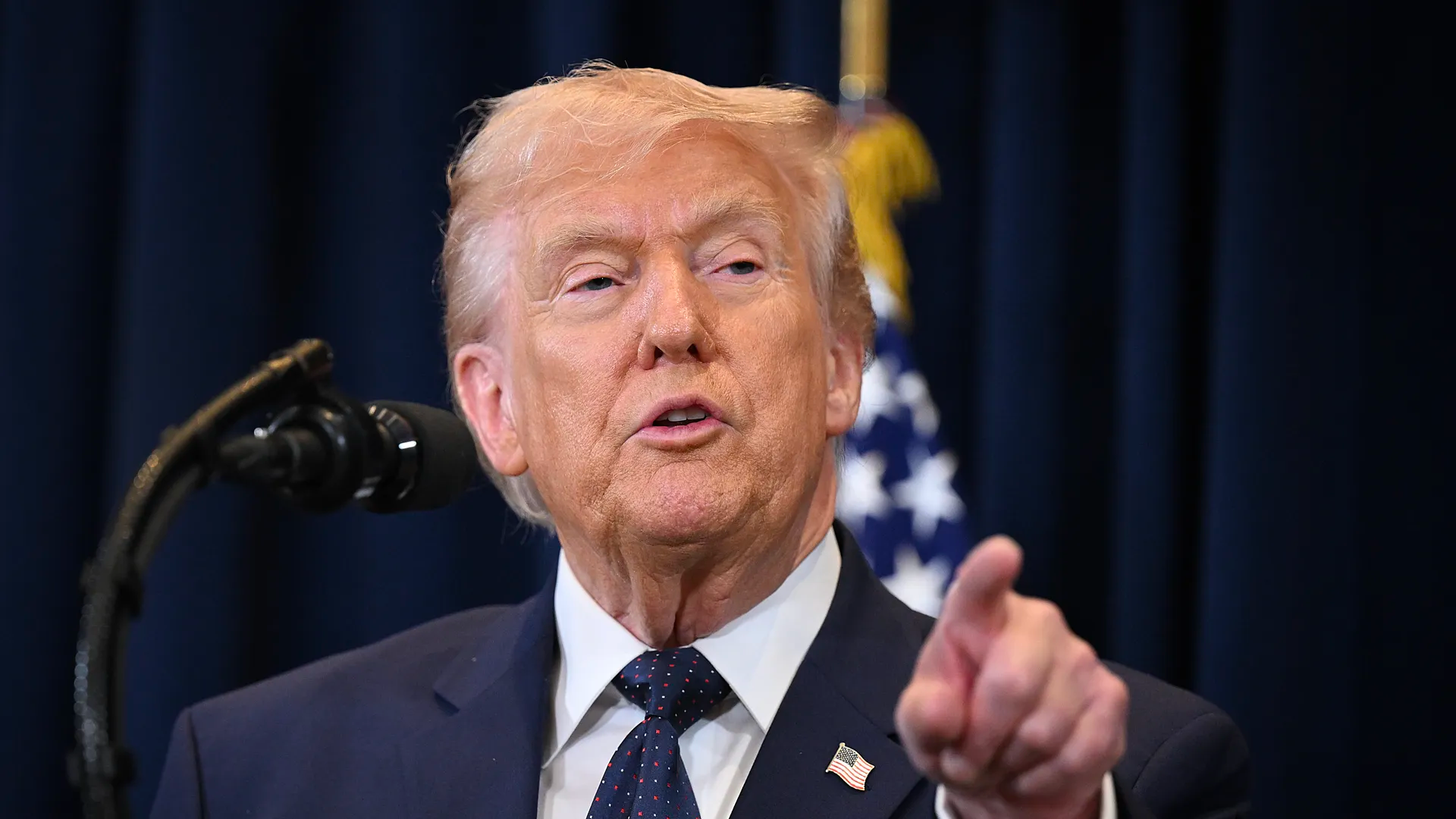
Amid escalating tensions in the Middle East, Donald Trump has urged several countries to help secure the strategically vital Strait of Hormuz, through which nearly 20 percent of the world’s oil supply passes. However, both Sanae Takaichi and Australia’s government stated on Monday that they currently have no plans to send naval ships to escort commercial vessels in the region. Their responses highlight growing international hesitation to expand military involvement while the ongoing conflict between the United States, Israel, and Iran continues to intensify.
The demand comes as the war between the United States, Israel, and Iran enters its third week, creating widespread instability across regional markets and raising fears about global energy supply disruptions. Consequently, oil prices reacted quickly, with Brent crude briefly climbing above 104 dollars per barrel as Asian markets opened cautiously. Trump argued that countries heavily dependent on Gulf oil should take responsibility for protecting the waterway because their economies rely on uninterrupted energy shipments passing through the strait.
Read more : Trump warns more strikes on Iran as Gulf tensions rise –
Meanwhile, Trump revealed that his administration has contacted at least seven governments, including China, France, Japan, South Korea, and United Kingdom, seeking their participation in a coalition aimed at reopening the strait. In addition, he warned European allies that the future of NATO could become “very bad” if member states refuse to support Washington’s efforts to secure international shipping routes.
At the same time, Asian allies expressed caution. Prime Minister Sanae Takaichi told parliament that Japan, constrained by its pacifist constitution, has not decided to dispatch escort ships and will only consider actions within its legal framework. Similarly, Australia’s government said it had neither received a formal request nor planned any naval deployment to assist operations in the strait, despite acknowledging the waterway’s enormous importance for global trade and energy stability.
Read more : Trump threatens more strikes on Kharg Island, urges allies to protect …
Meanwhile, tensions across the Gulf remain high as drone attacks and military operations continue despite claims that Iran’s capabilities have been severely weakened by U.S. and Israeli strikes. Authorities in Dubai temporarily suspended airport operations after a drone strike hit a fuel tank, while Saudi air defenses intercepted dozens of drones in its eastern region within a single hour, signaling that the conflict continues to threaten regional infrastructure and international transportation.
Nevertheless, Washington officials believe the conflict may conclude within weeks, predicting that oil prices will fall once fighting subsides and shipping routes reopen. However, Iranian Foreign Minister Abbas Araqchi rejected claims that Tehran is seeking negotiations, insisting the country remains strong and prepared to defend itself for as long as necessary despite extensive air strikes and growing international pressure to end the war.