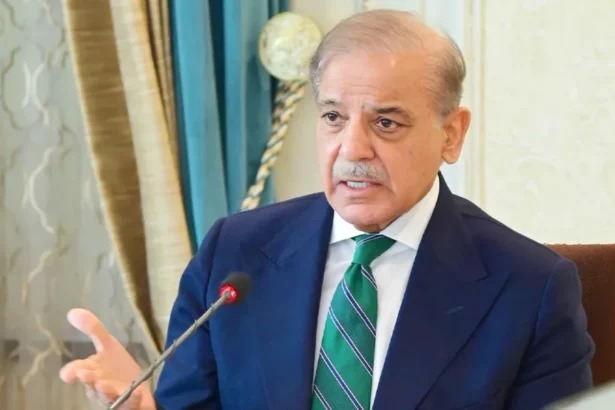
Prime Minister Shehbaz Sharif has called an important meeting in Islamabad to review Pakistan’s economic situation and discuss major policy steps aimed at addressing rising financial pressures. The session, scheduled at the Prime Minister House, will focus on approving a national austerity policy designed to reduce government spending and stabilize the economy. Officials are expected to evaluate the current administrative and financial landscape while considering strategies to manage increasing economic challenges. The meeting comes as authorities attempt to balance fiscal discipline with measures that can ease the burden on citizens.
Senior leadership from across the country has been invited to participate in the high-level discussion to ensure coordination between the federal and provincial governments. Chief ministers of all four provinces, along with the chief minister of Gilgit-Baltistan and the prime minister of Azad Jammu and Kashmir, will attend the meeting. Their participation aims to develop a unified national approach toward implementing austerity measures and addressing economic pressures. Officials believe strong coordination between different governments will help ensure smooth execution of policies and effective management of resources.
Read more : PM Shehbaz vows to shield economy from Iran war jitters –
During the session, policymakers will review Pakistan’s broader administrative and economic conditions while assessing the impact of global developments on the national economy. Participants are expected to discuss ways to reduce government expenditures without slowing essential services and development activities. Furthermore, authorities will examine how rising global economic uncertainties are affecting domestic markets and public finances. The meeting aims to create consensus among federal and provincial leaders on implementing a comprehensive national austerity policy.
Officials will also deliberate on practical steps designed to reduce operational costs in government institutions while maintaining efficient governance. One proposal under consideration involves conducting official meetings through online platforms such as Zoom to minimize travel and administrative expenses. In addition, policymakers may discuss introducing work-from-home arrangements for certain government offices to reduce operational costs and energy consumption. Such measures could help the government lower expenditures while continuing essential administrative functions.
Read more : PM visits residence of late Zaeem Qadri, offers condolences
Education policies may also come under discussion as authorities explore the possibility of shifting school and college classes to online platforms if necessary. Officials believe digital learning could temporarily reduce operational costs and transportation expenses during challenging economic conditions. However, decision-makers will carefully review the potential impact on students and institutions before implementing any nationwide policy changes. The government aims to ensure that cost-saving measures do not significantly disrupt educational activities across the country.
Through this meeting, Prime Minister Shehbaz Sharif hopes to finalize key economic strategies that balance fiscal responsibility with public relief measures. Policymakers are expected to examine multiple proposals that could reduce financial pressure on citizens while strengthening economic stability. Ultimately, the government seeks to develop a coordinated national plan capable of responding effectively to both domestic economic challenges and shifting global conditions. Important decisions are expected to emerge from the meeting as leaders work toward a unified strategy.