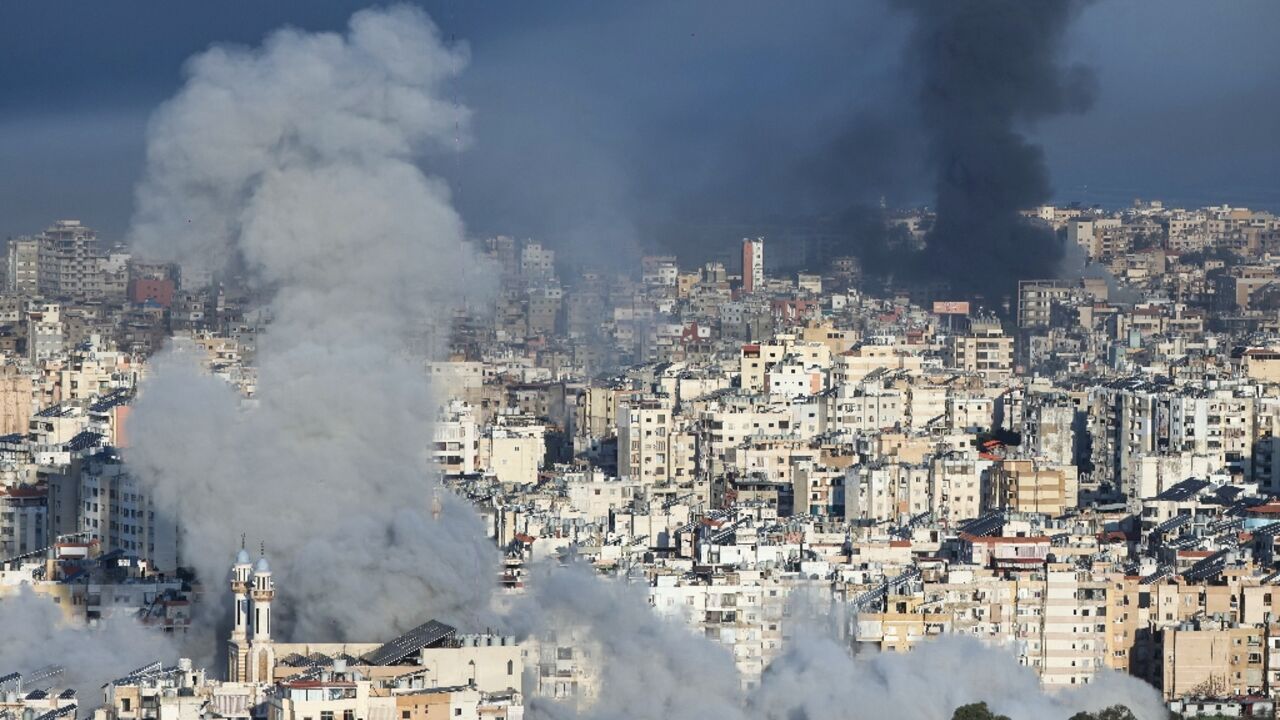
Fresh explosions were reported in Tehran on Thursday as Iran warned separatist groups against taking advantage of the escalating regional conflict and confirmed strikes on Kurdish factions based in Iraq.
Read More: UAE closes Tehran embassy after Iranian missile attacks
The widening war, which began on Saturday following joint US-Israeli strikes that killed Iran’s supreme leader, has rapidly spread across several parts of the Middle East. The conflict has triggered major geopolitical tensions, disrupted global energy markets and caused travel and economic uncertainty worldwide.
Iran has launched retaliatory attacks against several Gulf states that host US military bases, while Israel has intensified operations in neighbouring Lebanon and moved forces across the border. The developments have raised fears that the conflict could engulf more countries in the region.
On Thursday, Iranian authorities said their forces targeted Kurdish groups operating from northern Iraq that they described as being “opposed to the revolution.” Reports also suggested that the United States was considering arming Kurdish guerrilla fighters to infiltrate Iranian territory.
According to a representative of an exiled Iranian Kurdish organisation, one member of the group was killed in the strikes.
Senior Iranian official Ali Larijani, secretary of the Supreme National Security Council, warned separatist groups against attempting to exploit the situation.
“Separatist groups should not think that a breeze has blown and try to take action,” Larijani said, adding that Iran would not tolerate any such moves.
Read More: Israel Launches Strikes on Iran, Explosions Reported in Tehran
The conflict has also rattled global markets. The head of the International Monetary Fund warned that the war could test the resilience of the world economy once again.
Meanwhile, Iran’s Revolutionary Guards claimed they had effectively closed the Strait of Hormuz, the strategic Gulf chokepoint through which about one-fifth of the world’s crude oil passes. Data from market intelligence firm Kpler indicated that oil tanker traffic through the strait had fallen by around 90 percent.
In Washington, officials have offered differing explanations for the military campaign. The US Senate on Wednesday rejected a resolution seeking to limit President Donald Trump’s authority to continue the strikes.