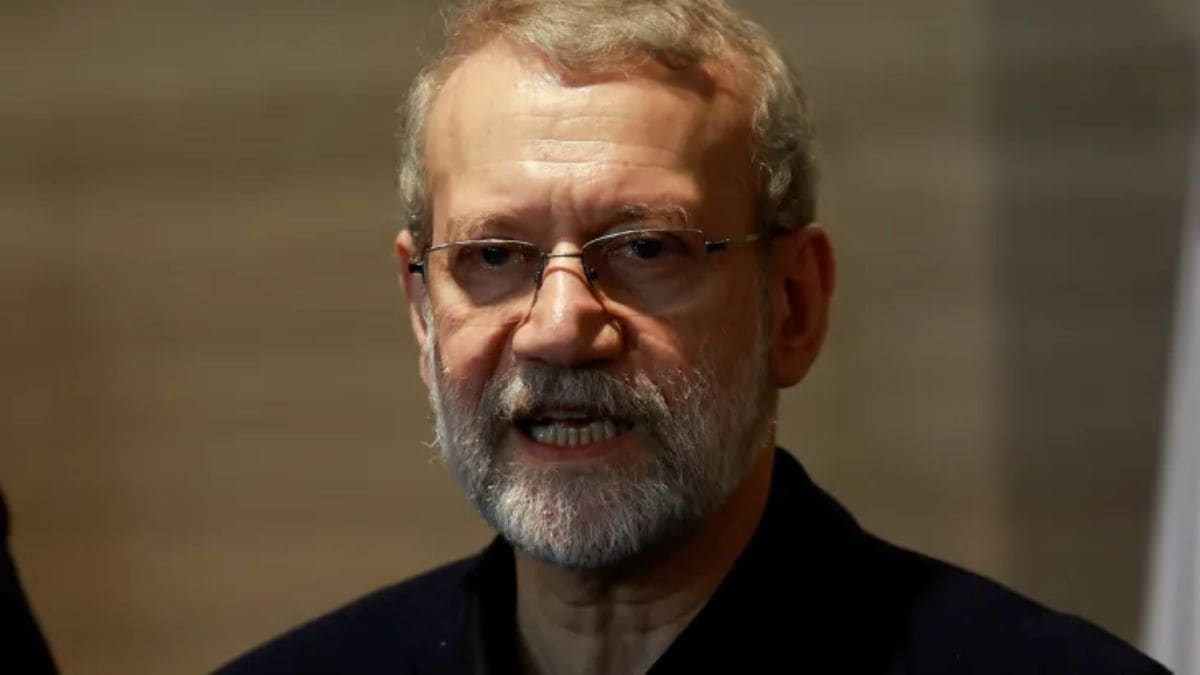
Veteran Iranian politician Ali Larijani has reemerged as a central figure in Tehran’s power structure following the death of Ayatollah Ali Khamenei in an air strike, positioning himself at the forefront of a proposed temporary leadership council.
Read More: Iran’s leader Khamenei assassinated in US-Israel blitz
Speaking on state television, Larijani said a provisional body would be formed to steer the country through the crisis after attacks blamed on the United States and Israel. He accused both nations of seeking to destabilise and “disintegrate” Iran, warning secessionist groups of a harsh response if they attempted to exploit the unrest.
🇮🇷⚡-Breaking: Supreme Leader Khamenei reportedly put in place detailed plans for succession and emergency chains of command in the event of his death, elevating longtime loyalist Ali Larijani to manage the crisis and become the de facto leader of Iran.
They martyred an 87 year… pic.twitter.com/D0KNf0fAKf
— ALERT X (@ALERTX360) March 1, 2026
Iranian broadcaster Iran TV also reported that Armed Forces Chief of Staff Abdolrahim Mousavi was killed in the strikes.
Appointed Secretary of the Supreme National Security Council (SNSC) last August, Larijani has managed a broad security and diplomatic portfolio, including nuclear negotiations and regional relations. A former Revolutionary Guards member and parliament speaker from 2008 to 2020, he is widely regarded as a trusted strategist within the establishment.
Despite being sanctioned by Washington in January over allegations of directing a crackdown on anti-government protests, Larijani had been overseeing indirect nuclear talks with the US, including preparatory discussions in Oman. He has described the nuclear dispute as “resolvable” if American concerns centre on preventing Iran from acquiring a nuclear weapon — an ambition Tehran denies.
Larijani has also strengthened ties with Moscow, holding meetings with Vladimir Putin in recent months, and played a role in advancing long-term cooperation with China.
Read More: Iran’s Khamenei likens protests to ‘coup’, warns of regional war
Born in Najaf, Iraq, in 1958, Larijani comes from a prominent clerical family and holds a doctorate in philosophy. As Iran confronts renewed internal and external pressures, his leadership is likely to shape the country’s next political chapter.