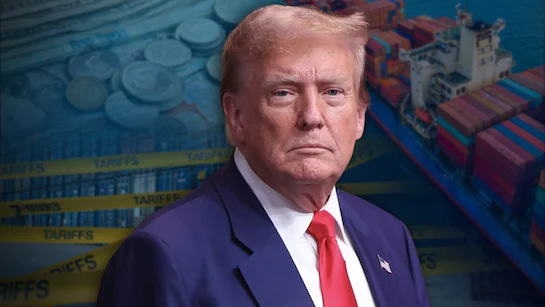
The United States will stop collecting certain tariffs declared illegal by the Supreme Court, with the suspension taking effect at 12:01 am EST on Tuesday. US Customs and Border Protection confirmed it will halt duties imposed under the International Emergency Economic Powers Act, following the court’s decision issued last week. The ruling marked a significant legal setback for tariffs introduced under prior executive orders. Officials said the move ensures compliance with the highest court’s judgment.
Read more : Pakistan cuts industrial electricity tariffs by up to Rs4.58 per unit
In a formal notice to shippers through its Cargo Systems Messaging Service, the agency announced it will deactivate all tariff codes linked to the earlier IEEPA-based measures. However, Customs did not explain why collections continued for more than three days after the Supreme Court declared the duties unlawful. The agency also provided no immediate clarification regarding whether affected importers would receive refunds. Further guidance is expected through additional official messages.
The suspension of these tariffs coincides with the introduction of a new 15 percent global tariff imposed under a separate legal authority. The new measure replaces the invalidated duties but rests on a different statutory framework. Officials emphasized that the halt applies only to the specific IEEPA-related tariffs struck down by the court. Other trade measures, including those under Section 232 and Section 301 statutes, remain fully in effect.
Read more : Trump imposes 10 percent global tariff after court –
The financial implications of the ruling could be substantial for the federal government and importers alike. Economic estimates suggest that the now-invalid tariffs generated more than 500 million dollars per day in gross revenue. Overall, analysts calculate that more than 175 billion dollars collected under the IEEPA framework may now be subject to potential refund claims. These figures underscore the scale of the policy shift triggered by the Supreme Court’s decision.
Trade experts note that the decision may reshape future executive use of emergency economic powers in tariff policy. The halt signals tighter judicial scrutiny over the scope of presidential authority in trade matters. Meanwhile, importers and businesses are closely monitoring developments regarding possible reimbursement procedures. As the situation unfolds, the ruling is expected to influence both trade strategy and legal debates over economic powers.