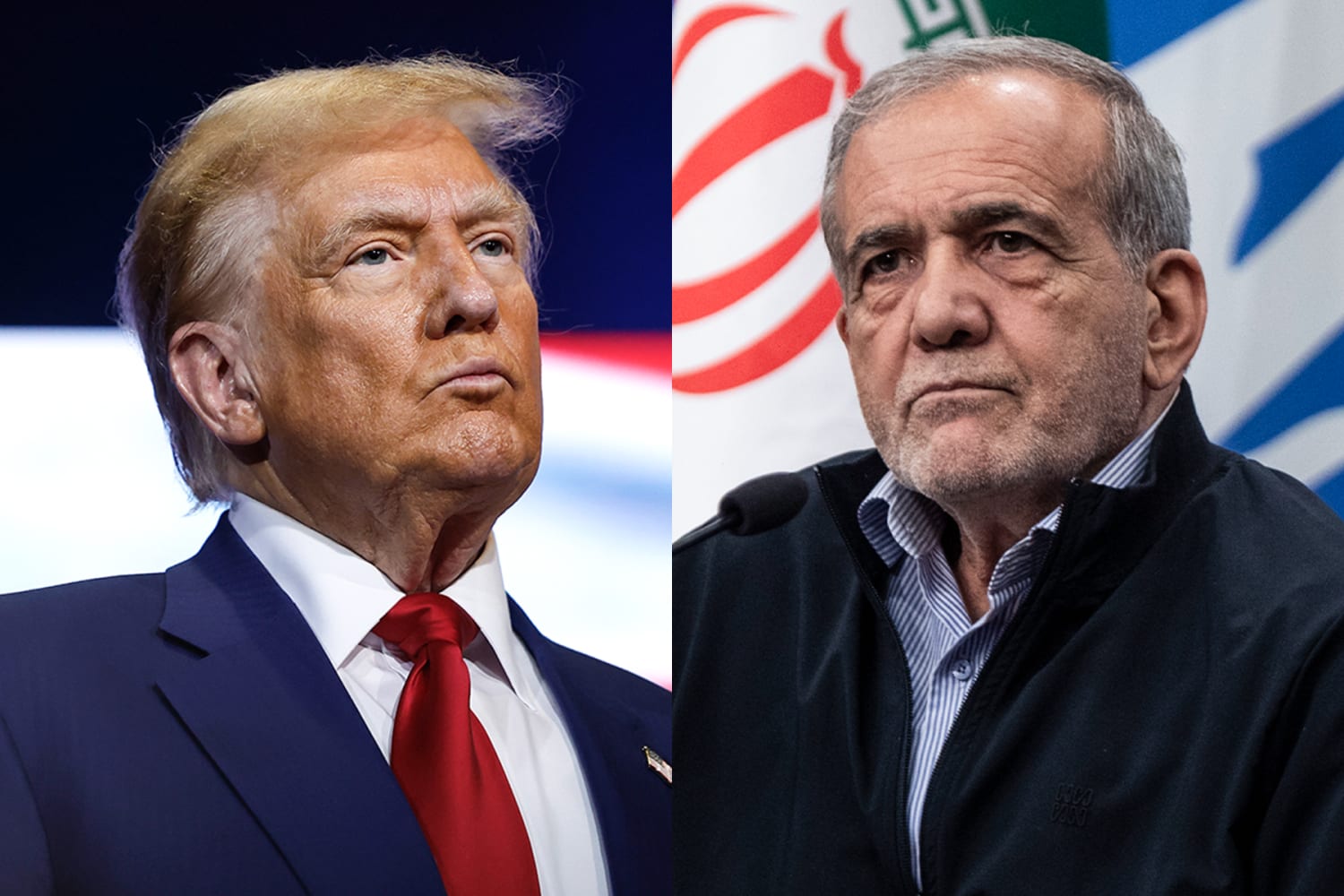
Iranian President Masoud Pezeshkian has ordered the start of nuclear talks with the United States. President Trump said he remains hopeful of a deal to prevent military action. Both sides are signaling diplomacy while tensions remain high in the region.
The talks follow Iran’s deadly crackdown on anti-government protests last month. Trump had threatened military action and sent an aircraft carrier group to the Middle East. Tehran insists on diplomacy but vows strong responses to any aggression, stressing it will not accept ultimatums.
Read more: Tehran warns US strike could ignite region
Iran is finalizing a framework for negotiations, with messages relayed through regional players. Iranian Foreign Minister Abbas Araghchi said progress depends on lifting sanctions, and Trump confirmed shared interest in preventing nuclear weapons. Diplomacy is backed by Turkey, Saudi Arabia, and Egypt, who are facilitating talks.
Key hurdles include Iran’s uranium enrichment, ballistic missile program, and support for regional proxies. Tehran signals flexibility on uranium if sanctions are lifted and demands US forces move away from Iranian borders. Officials say discussions could start soon in Turkiye.
Read more: Iran’s Khamenei likens protests to ‘coup’, warns of regional war
The renewed talks come as Iran faces internal unrest, regional conflicts, and international pressure. Human rights groups report thousands of protest deaths, while Iran has arrested foreigners and labeled EU militaries as terrorist organizations. Observers stress the world is watching closely as diplomacy and military threats intersect.