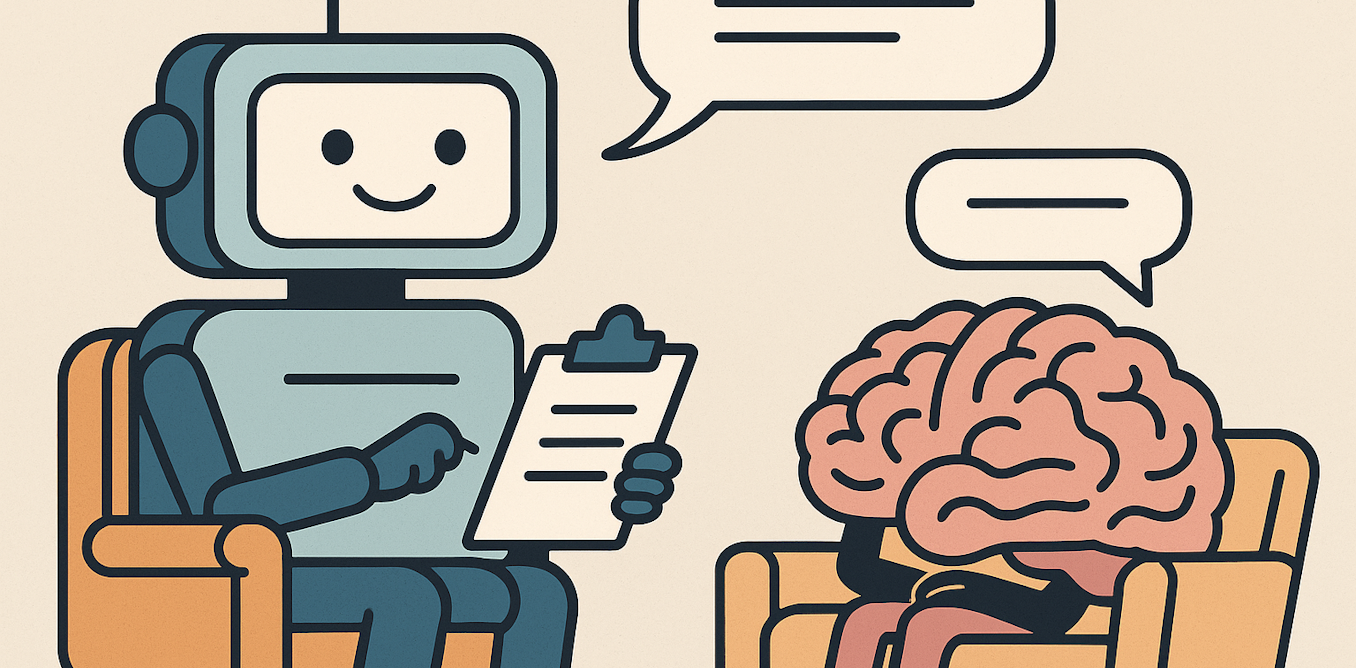
Relying on artificial intelligence (AI) for emotional support may pose risks to mental health, according to a new study published in JAMA Network Open. The research warns that frequent use of AI for personal advice and emotional guidance can increase the likelihood of anxiety and depression.
Read More: Experts warn of rising ‘AI psychosis’
Researchers from Mass General Brigham surveyed 20,847 U.S. residents, predominantly white men and women, examining the relationship between AI usage and mental well-being. They found that nearly 87.1% of participants reported using AI for personal recommendations, guidance, or emotional support.
Artificial intelligence is reshaping cognition, emotion, and identity through cognitive offloading, digital therapy, and addictive design. Research links heavy AI use with declining critical thinking, narcissistic dependency, and altered grief, while clinical tools show measured… pic.twitter.com/oUQYs2Xnq4
— SA News Channel (@SatlokChannel) January 10, 2026
Lead author Dr. Roy Perlis noted that the majority of AI interactions occur through chatbots. Participants who engaged with AI daily for personal reasons were more prone to moderate anxiety and depression compared to those who used AI less frequently. The study also highlighted specific challenges for users aged 45 to 64, who reported difficulties with concentration, sleep, and eating over the past two weeks.
While chatbots designed specifically for mental health issues may offer some benefit, general-purpose AI platforms like ChatGPT, Grok, or Gemini are not substitutes for professional care. Experts caution against replacing therapy or professional mental health services with AI interactions.
“This study underscores that AI can provide convenience and engagement, but it is not equipped to handle complex emotional or psychological needs,” Dr. Perlis said.
Read More: Group of scientists make big discovery about AI, consciousness
The findings come amid growing global use of AI in everyday life, ranging from personal advice to work productivity. Mental health professionals are urging users to approach AI interactions cautiously, emphasizing that technology should complement, not replace, human support and professional guidance.