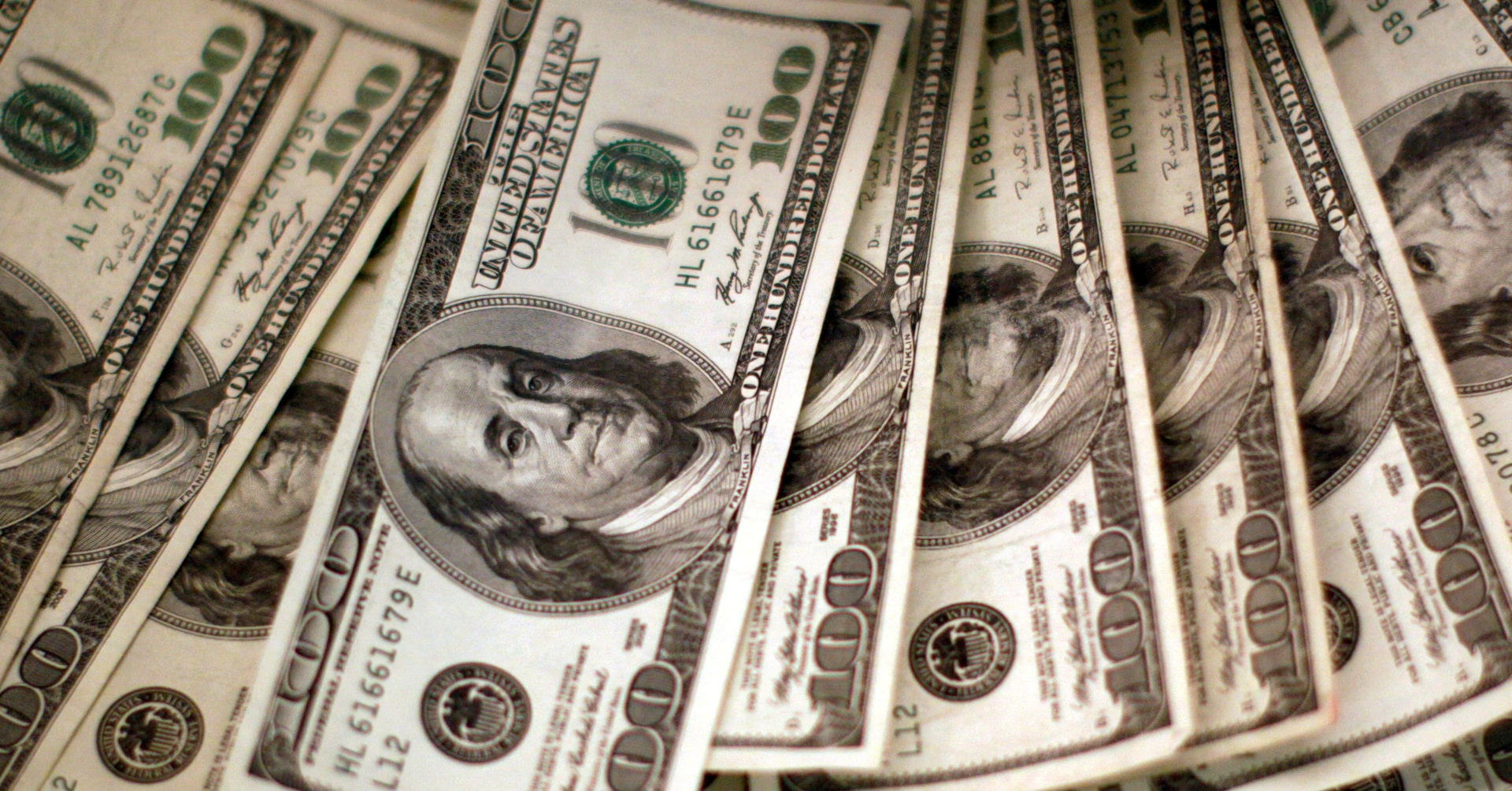
The U.S. dollar opened 2026 on a weak note after enduring its sharpest annual fall in eight years, as shrinking interest rate gaps reduced its appeal across global currency markets. Consequently, most major currencies continued to hold firm, reflecting shifting expectations around future U.S. monetary policy.
A narrowing difference between U.S. rates and those in other economies weighed heavily on the dollar throughout 2025, allowing rivals to post strong gains. As a result, the euro and British pound began the year steady after recording their strongest annual rises since 2017, signaling sustained investor confidence.
Read more : Dollar shortages push crypto demand higher
Meanwhile, the Japanese yen hovered near ten-month lows despite modest recovery efforts late last year, as traders awaited fresh economic data to clarify Japan’s interest rate direction. Although authorities issued repeated warnings to deter sharp moves, concerns over possible market intervention have not fully faded.
The dollar index, which tracks the greenback against six major currencies, remains under pressure after falling more than nine percent last year amid rate cuts and policy uncertainty. Furthermore, investors remain cautious due to ongoing debate over the future independence of the U.S. central bank.
Read more : Pakistan’s forex reserves climb past $21 billion
Attention has now shifted to upcoming U.S. economic data and the expected leadership change at the Federal Reserve later this year, both seen as key market drivers. With traders pricing in deeper rate cuts than previously forecast, currency markets may remain volatile in early 2026.