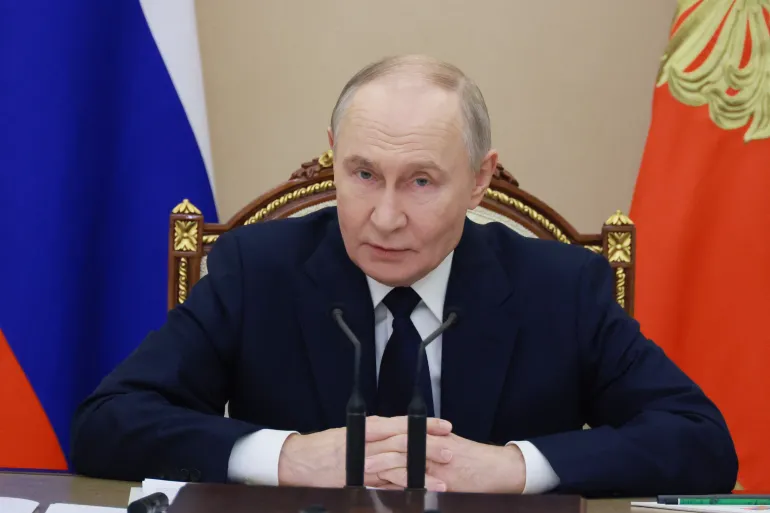
Ukrainian and European officials firmly dismissed Russian claims that Kyiv targeted a private residence of President Vladimir Putin, calling the allegation baseless as diplomatic efforts continue into the new year. The claim surfaced at a sensitive moment, as international actors attempt to revive US-led talks aimed at easing tensions in the nearly four-year-long Ukraine war.
Earlier this week, Russian Foreign Minister Sergei Lavrov alleged that dozens of Ukrainian drones tried to strike Putin’s residence in the Novgorod region, prompting Moscow to reconsider its negotiating stance. However, Ukrainian authorities denied any involvement, insisting the accusation was designed to inflame tensions rather than reflect reality.
Read more : Putin vows victory in Ukraine in New Year address
Meanwhile, US security officials found no evidence supporting Russia’s claim, concluding that Ukraine did not target Putin or any of his residences during recent drone activity. Although officials have not publicly detailed their findings, the assessment reportedly eased concerns within Washington about the alleged incident.
At the same time, European Union officials echoed Kyiv’s position, describing the accusation as a distraction meant to shift focus from ongoing Russian attacks on Ukrainian civilians and infrastructure. EU diplomats warned against accepting unverified claims from a party actively engaged in military aggression.
Read more : Putin warns Russia will use force if Ukraine rejects peace
Ukraine further argued that Moscow aimed to sabotage recent diplomatic momentum following a reportedly constructive meeting between US President Donald Trump and Ukrainian President Volodymyr Zelenskiy. Officials claimed the timing of the allegation suggested a deliberate attempt to undermine growing coordination between Kyiv and Washington.
Russia later released video footage it said showed a downed Ukrainian drone near the Novgorod area, but Ukraine rejected the material as staged and inconsistent. As no independent confirmation emerged, the episode highlighted how competing narratives continue to shape global perceptions of the conflict.