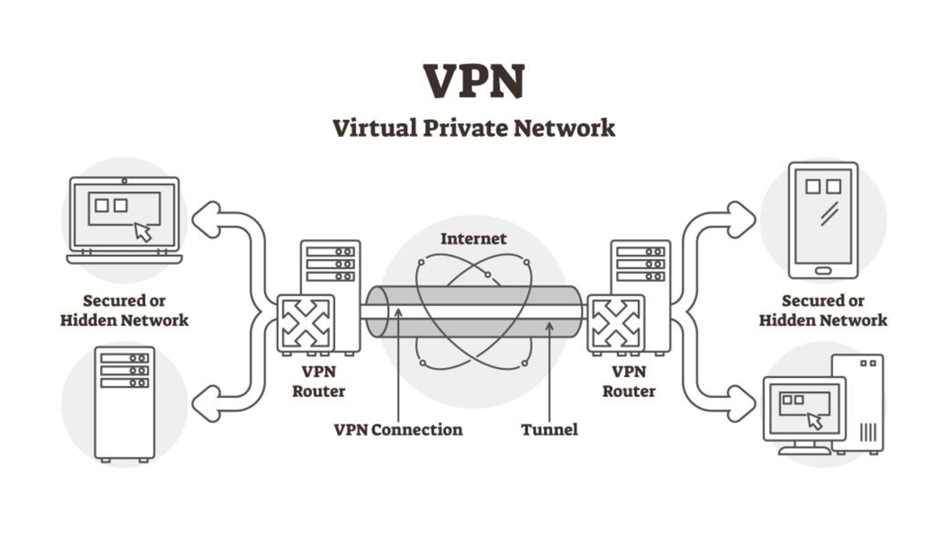
 Every other person is using VPN in Pakistan. But what actually is VPN. A VPN (Virtual Private Network) is a technology that creates a secure, encrypted connection often referred as tunnel, over a public network, like the internet. Its primary function is to enhance online privacy and security by masking a user’s true IP address and encrypting their data traffic, routing it through a remote server.
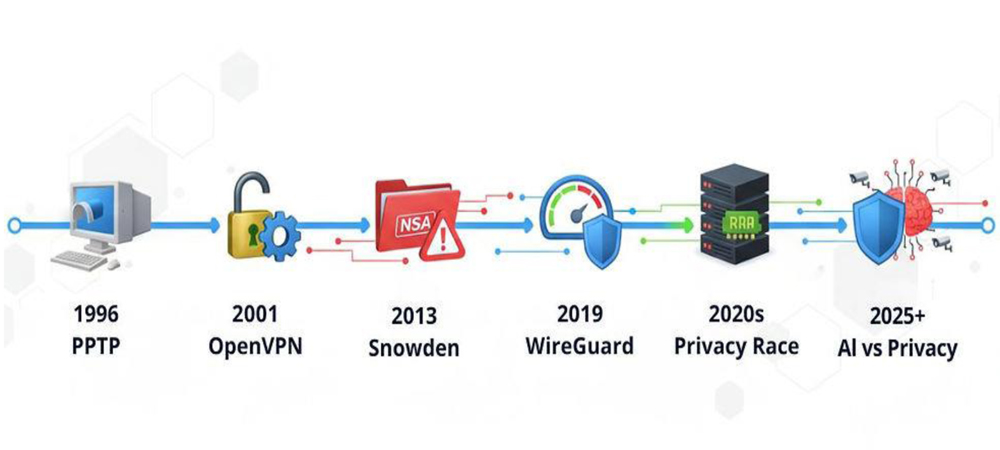
The concept emerged in the mid-1990s with Microsoft’s development of the Point-to-Point Tunneling Protocol (PPTP), initially designed to allow businesses to give remote employees secure access to corporate networks. As cyber threats and surveillance concerns grew in the 2000s and 2010s, consumer-friendly VPN services became popular for individual users seeking anonymity, bypassing geo-restrictions, and protecting data on public Wi-Fi.
While VPNs are legitimate tools for businesses and individuals seeking data security, the use of unregistered or illegal VPNs poses significant societal and governance risks. The lack of regulatory oversight allows malicious actors to operate covertly, severely compromising digital safety.
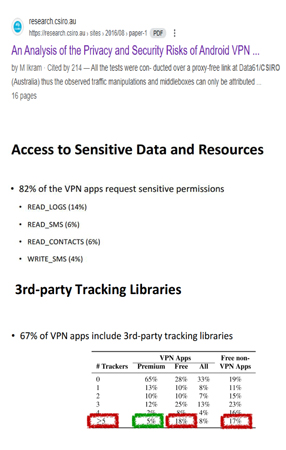
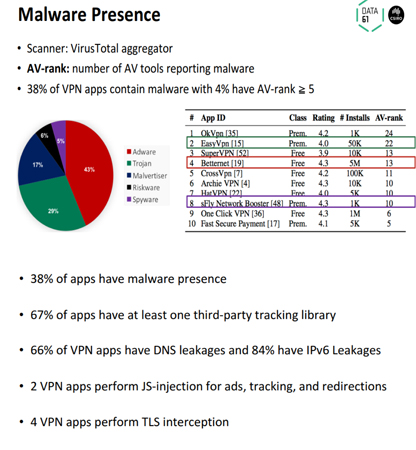
Research, such as the 2016 CSIRO study on Android VPN apps, has revealed that a significant portion of VPN applications expose users to serious privacy and security vulnerabilities, including malware presence, lack of strong encryption, and the injection of tracking or advertising code.
These unvetted tools become conduits for broader digital harms: Illegal VPNs expose Pakistani youth to unverified, harmful, and inappropriate content, including pornography, gambling, and violent media, which carries significant social and psychological risks that affect their development and behavior.

These tools enable the unrestricted consumption of fake news, politically biased content, and disinformation, eroding public trust in institutions and polarizing communities. Furthermore, by masking digital footprints, illegal VPNs make it extremely difficult for law enforcement and regulatory authorities to monitor online activity, enforce content laws, and uphold national internet security policies.
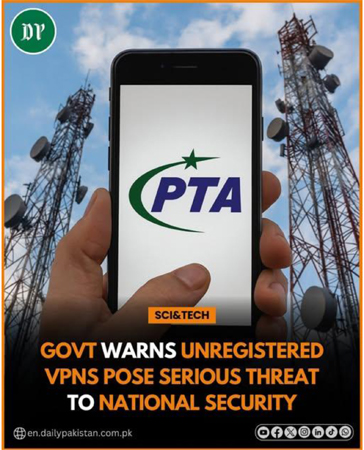
The anonymity provided by illegal VPNs fosters a culture of cybercrime, including online harassment, identity theft, hacking, and fraud. Economically, these tools facilitate digital tax evasion, circumvention of geo restrictions on trade platforms, and piracy of copyrighted material, which directly harms local industries and the country’s economic framework.
The most profound threat posed by unauthorized VPN usage is its exploitation by terrorist organizations and militant groups, such as the Tehreek-e-Taliban Pakistan (TTP), Islamic State Khorasan Province (ISKP), Balochistan Liberation Army (BLA), and Baloch Liberation Front (BLF). These groups have increasingly relied on unregistered VPNs to maintain operational secrecy and expand their influence in the digital domain.
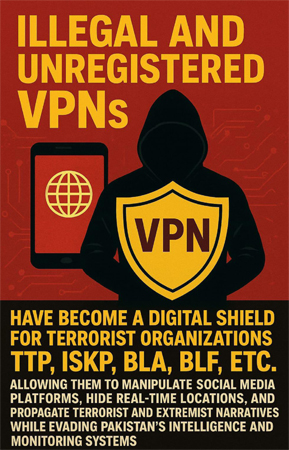
Operational Secrecy: The use of unauthorized VPNs creates a hidden digital environment that allows terrorist groups to operate covertly, bypassing national firewalls and geo-restrictions. They use this anonymity to secure their communications across borders and access banned or sensitive online material.
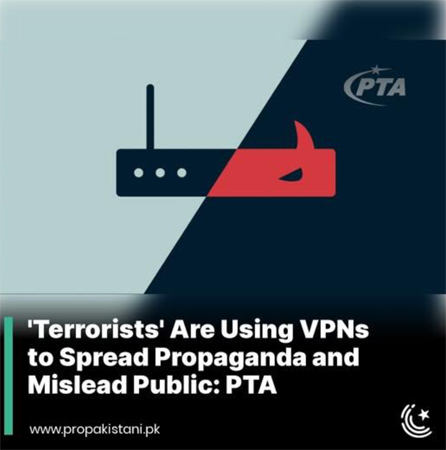
Propaganda & Recruitment: Terrorist organizations exploit the anonymity of VPNs to manipulate social media platforms (like X and Telegram), spread propaganda, disseminate extremist ideologies, and recruit vulnerable individuals.
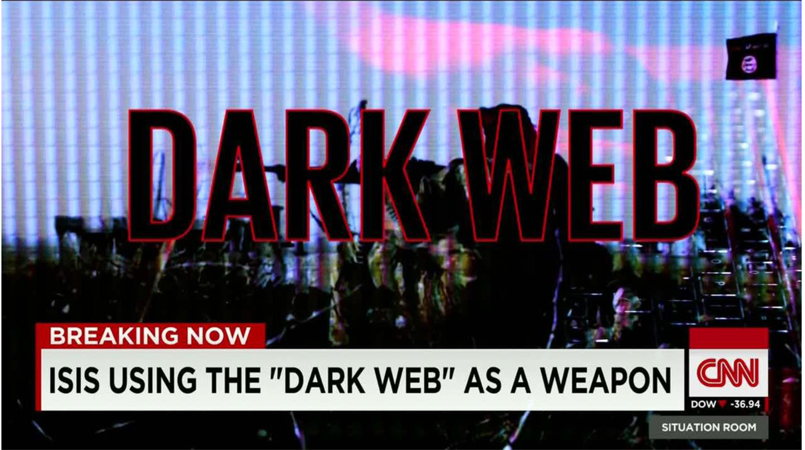
This allows them to sustain global connections and train operatives through encrypted forums and dark web channels, all while evading detection by law enforcement.
Masking of Digital Footprint: By masking their actual locations and digital footprints, these groups significantly complicate the work of law enforcement and regulatory authorities.

This makes it difficult to monitor online activity, trace financial transactions, and prevent the spread of radicalization, which is a critical component of the broader societal harm caused by illegal VPN usage.

The pervasive use of illegal VPNs cumulatively compromises Pakistan’s digital ecosystem, impacting its youth, governance, media integrity, economic systems, and cybersecurity. The urgent need for registration and monitoring of authorized VPNs is clear, as it is essential to ensure that legitimate digital tools not are exploited for terror-related activities, safeguarding national security, and maintaining social cohesion.