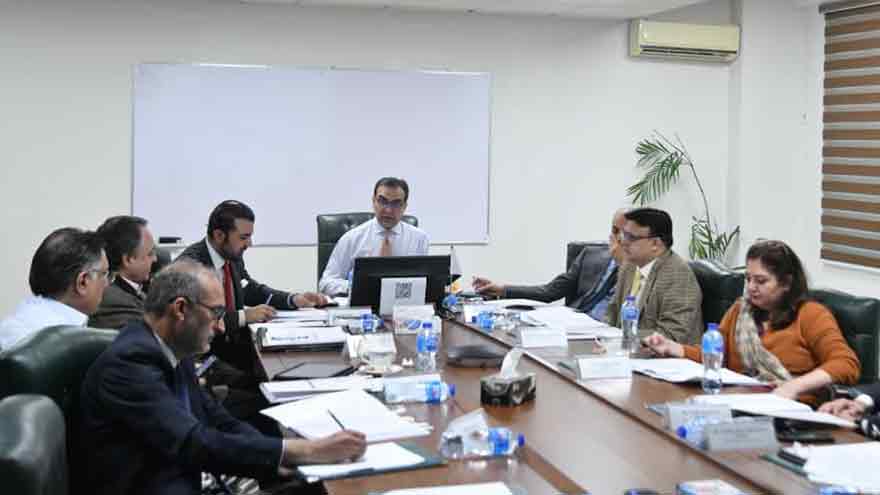
The Privatisation Commission Board has proposed major changes to the national privatisation programme by adding three state-owned enterprises and removing two others. The meeting, chaired by the Adviser to the Prime Minister on Privatisation, reviewed the recommendations of the Board’s Investment Committee and moved forward with a revised list of viable entities. This update reflects the government’s broader focus on reform and fiscal discipline.
After a detailed evaluation of 15 state-owned enterprises submitted by various ministries, the Investment Committee found only three suitable for inclusion. As a result, Saindak Metals Limited, Pakistan Minerals Development Corporation and National Insurance Company Limited were cleared for the active privatisation list. Meanwhile, the remaining 12 enterprises did not meet viability criteria and were therefore excluded from the programme.
Read more : Suthra Punjab Programme acknowledged by Forbes after US …
The Board also approved the delisting of Sindh Engineering Limited and the Utility Stores Corporation due to critical operational and financial issues. Sindh Engineering has been non-functional since 2007–08 and holds only disputed land as an asset, while USC’s liabilities are significantly higher than its assets following the suspension of its operations. These issues left both entities unfit for privatisation.
Furthermore, the Board reaffirmed that all privatisation decisions will align with the government’s SOE reform agenda and fiscal consolidation goals. It stressed that transparency, market conditions and public interest remain central to the evaluation process. This approach aims to ensure that each transaction supports sustainable economic outcomes.
Read more : Punjab CM launches school meal programme for special children
Additionally, ministries overseeing non-viable enterprises were encouraged to consider alternative solutions, including restructuring or liquidation. The Board highlighted that prioritising feasible entities will help channel institutional resources toward transactions that are realistic, credible and beneficial to the economy. This targeted strategy is intended to strengthen overall governance and improve SOE performance.