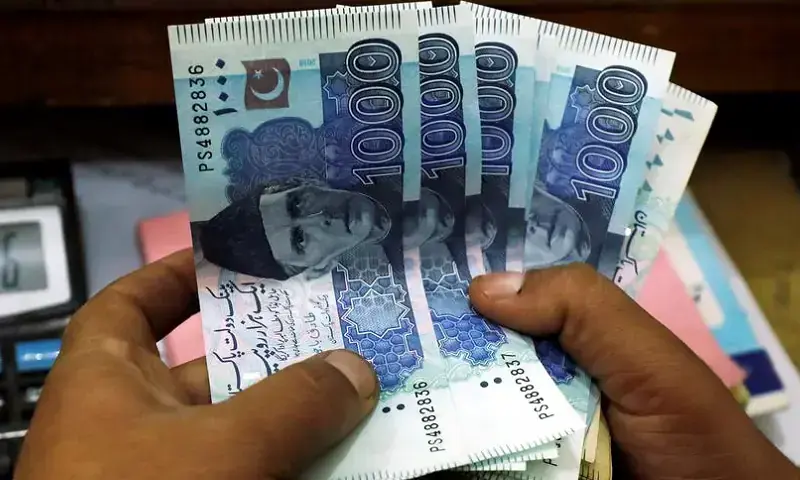
KARACHI: Credit to Pakistan’s private sector surged to a three-year high during the first five months of the current fiscal year, crossing Rs1.2 trillion, according to State Bank data released on Monday. While the increase signals higher economic activity, bankers warn that most of the funds are being used for short-term working capital rather than long-term investment.
Read More: GDP grows 3.04% in FY25, economy size reaches $407bn
The rise is stark compared to previous years when credit off-take remained sluggish. In FY25, private sector lending stood at Rs1.081 trillion, FY24 at Rs513 billion, and FY23 just Rs46 billion. Analysts say the current uptick may not translate into economic expansion due to the nature of borrowing.
Bankers highlighted that a significant portion of the funds is directed toward rice crop operations, including thrashing and other production needs. Rice remains one of Pakistan’s largest crops, with an international market exceeding Rs1 trillion. Lower interest rates have also encouraged higher borrowing, as reduced cost and risk make short-term financing more attractive.
Despite the credit boom, investment levels continue to lag. Pakistan’s investment-to-GDP ratio for FY24 was 13.1 percent, the lowest in over five decades, though FY25 saw a modest improvement to 13.6 percent. Experts warn that without policy incentives, high taxation, and security concerns, private sector lending is unlikely to convert into meaningful economic growth.
Read More: Economic growth to remain around 3.25% in FY26: SBP
The government has urged domestic investors to step forward, but heavy taxes of up to 60 percent, including super taxes, have deterred businesses. Foreign investment also remains limited due to instability in key provinces and tense regional relations. Analysts stress that without targeted incentives and reforms, the economy may continue to struggle with low growth, unemployment, and rising poverty despite high private sector credit flows.