A recent reflection on contemporary cinema suggests that modern audiences are less thrilled by film announcements, even for highly anticipated projects like Peter Jackson’s The Hunt for Gollum. Despite the involvement of big names such as Andy Serkis, Elijah Wood, and Ian McKellen, excitement for new releases no longer matches the enthusiasm seen during the ’80s and ’90s.
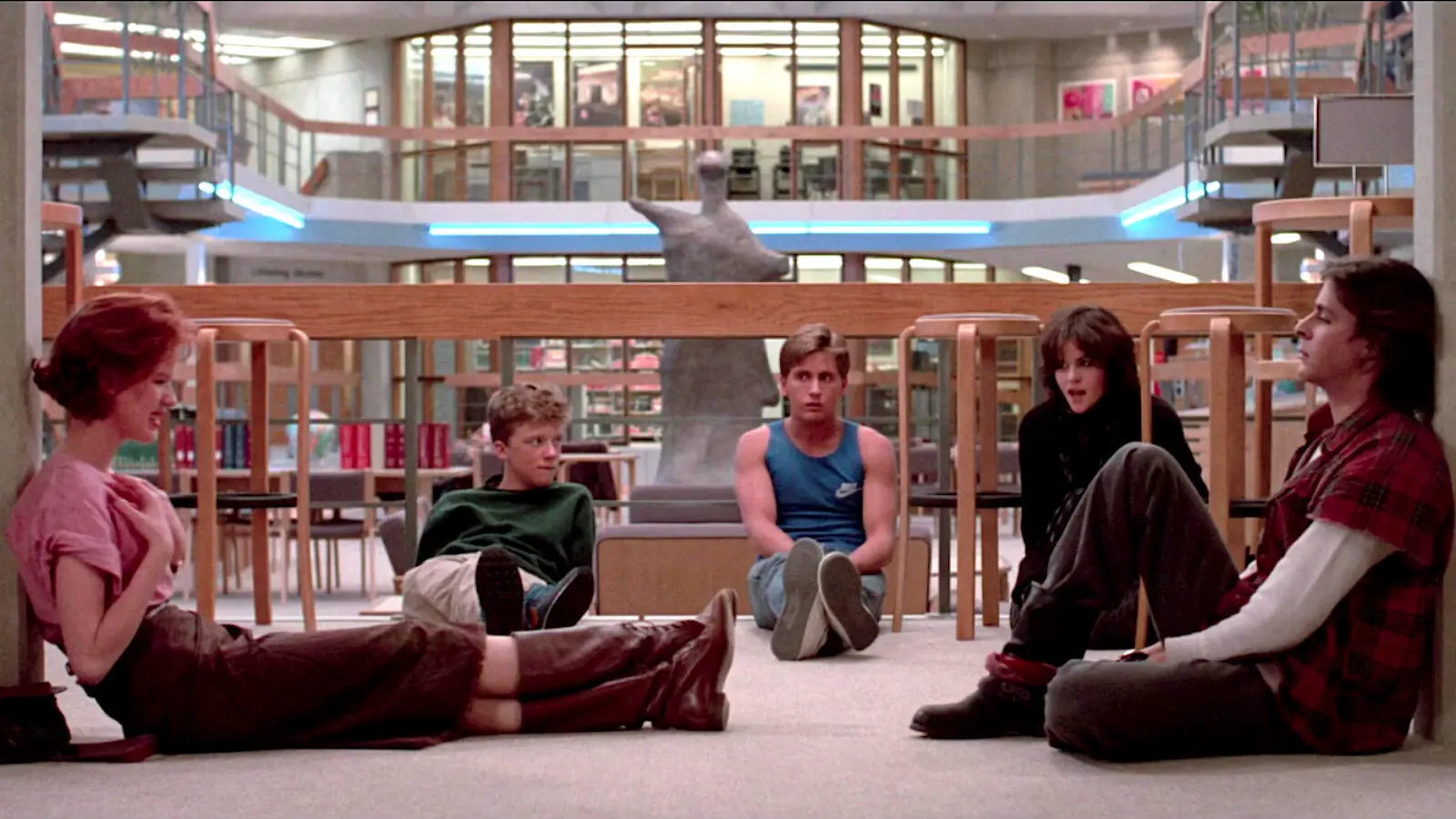
Film critics argue that oversaturation, formulaic storytelling, and the dominance of streaming platforms have led to a decline in originality. While movies of past decades—ranging from Back to the Future and Ghostbusters to John Hughes classics like Ferris Bueller’s Day Off—continue to resonate with audiences, contemporary films often prioritize global marketability and social agendas over innovative storytelling.
Technical inconsistencies in the digital era have also impacted cinematic experiences. Unlike the standardized 35mm film frames of the past, today’s diverse digital sensor sizes complicate production design, composition, and visual dynamics. Additionally, content is increasingly designed to be consumed on smaller screens like smartphones, which affects framing, lighting, and pacing, often leading to visually sterile presentations.
The prevalence of franchises, spin-offs, and remakes further contributes to a sense of déjà vu in modern cinema. Where star power once drew audiences, the focus now is on broad appeal, inclusivity, and algorithm-friendly content, leaving many viewers nostalgic for the storytelling freedom and charm of earlier decades.
Ultimately, while movies today remain entertaining, the combination of technical, cultural, and industrial factors has reshaped the audience’s emotional engagement, making films feel less magical than those of the “good old days.”