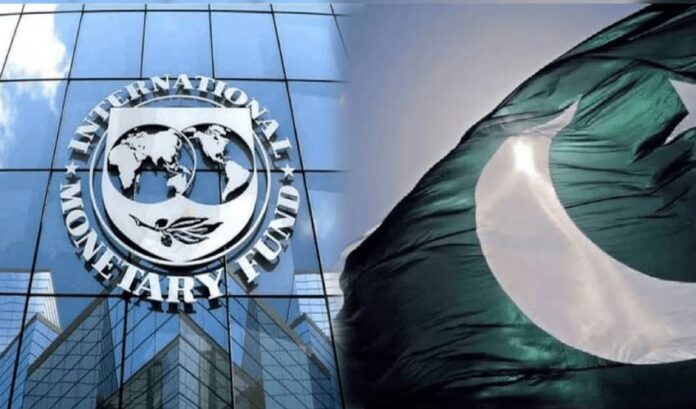
ISLAMABAD: The International Monetary Fund (IMF) has scheduled a meeting of its executive board on December 8 to approve the immediate disbursement of $1.2 billion to Pakistan under two concurrent programmes. The funds include $1 billion under the $7 billion Extended Fund Facility (EFF) and $200 million under the $1.4 billion Resilience and Sustainability Fund (RSF). The amount is expected to reach Pakistan’s account on December 9, taking total disbursements under the two arrangements to about $3.3 billion.
Read More: IMF begins mission to fix Pakistan’s budget gaps and improve fiscal government
Pakistan and the IMF reached a Staff-Level Agreement on October 14 for the second review of the EFF and the first review of the RSF. Ahead of the board meeting, Islamabad is expected to publish the long-delayed Governance & Corruption Diagnostic (GCD) Assessment Report, a key structural benchmark under the EFF. The report had been postponed several times due to technical and factual disagreements between Pakistani authorities and the IMF’s expert team.
The GCD Assessment Report was prepared in consultation with global organisations such as the OECD and FATF, and involved extensive discussions with Pakistan’s anti-corruption agencies, superior judiciary, ministries of finance and law, and other relevant bodies. The report identifies gaps in public finance management, tax compliance, and institutional accountability, with recommendations aimed at curbing corruption and strengthening governance.
Read More: Finmin says IMF can’t impose conditions against Pakistan’s interests
The IMF has recognised Pakistan’s progress on macroeconomic stability under the EFF, citing improvements in fiscal balance, external buffers, and inflation containment. However, the fund also noted that flood-related losses affecting nearly seven million people and causing widespread damage to infrastructure and agriculture weighed on the country’s growth outlook, projecting FY26 GDP at 3.25-3.5%.
Officials said the GCD report and the subsequent governance action plan are expected to help address structural vulnerabilities, reduce corruption risks, and improve transparency in public institutions. The disbursement from the IMF will support Pakistan’s economic recovery while reinforcing commitments to structural reforms and climate resilience initiatives.
Read More: Pakistan, IMF reach deal over another $1.2bn in loans