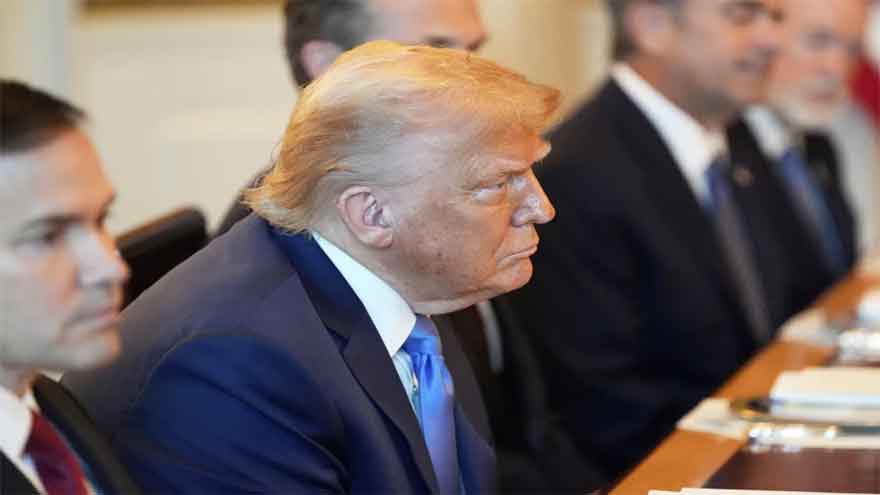
WASHINGTON — President Donald Trump is shifting his messaging strategy to highlight affordability and combat voter concerns about the rising cost of living. The approach emphasizes new tax breaks, progress on inflation, and recent deals to reduce prescription drug prices, aiming to appeal to voters who cited economic issues as their top priority in recent elections.
The messaging pivot comes after Democrats leveraged affordability concerns to secure decisive wins in the New Jersey and Virginia gubernatorial races, turning what had been a Republican strength into a potential vulnerability heading into next year’s midterms. Trump highlighted deals with Eli Lilly and Novo Nordisk to lower anti-obesity drug prices, claiming the administration has already delivered on affordability.
Read More: Privacy, comfort, affordability, professionalism
White House officials noted that the president plans to maintain a strong public focus on essential goods and services, including Thanksgiving staples and gasoline prices, while emphasizing job growth and foreign investment. Social media campaigns and public announcements are being used to reinforce this messaging.
However, critics argue that Trump faces significant challenges in reversing public perceptions about the economy. Consumer prices have risen, electricity bills are climbing, and grocery costs remain a concern. Analysts warn that slowing job growth and continued inflation could undermine the president’s efforts to convince voters that the economy is improving under his leadership.
Read More: 68% Pakistanis cannot afford healthy diet
Despite these hurdles, Trump is expected to increase domestic travel and continue promoting policy actions aimed at easing financial pressures on households. White House officials say he receives regular briefings on economic indicators and is actively monitoring tariffs, inflation, and stock market trends to shape messaging ahead of the midterm elections.