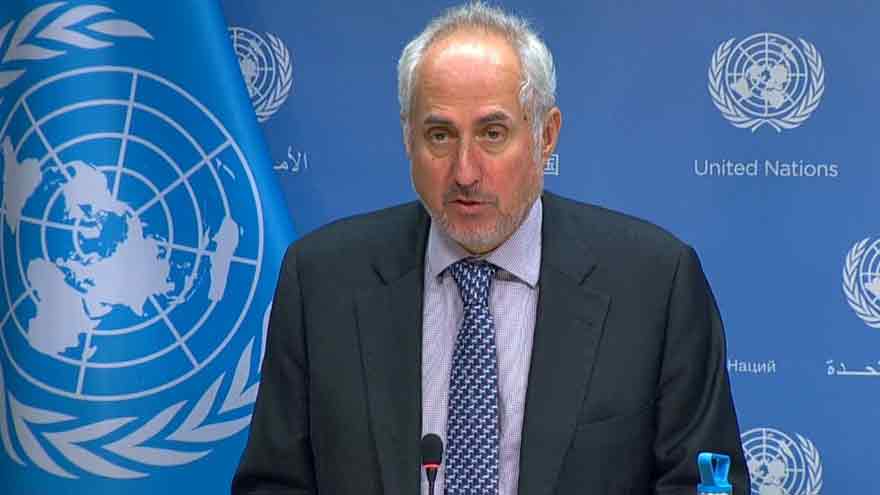
The United Nations has voiced concern over the collapse of peace talks between Pakistan and Afghanistan in Istanbul, urging both sides to avoid renewed fighting. The discussions, which lasted four days, aimed to address cross-border tensions and the issue of Tehrik-e-Taliban Pakistan (TTP) activities. However, negotiators failed to reach a consensus, leaving the fragile ceasefire agreed earlier this month hanging in the balance.
UN spokesperson Stephane Dujarric said the organization is closely monitoring the situation, emphasizing that even if talks are paused, hostilities must not resume. He expressed hope that diplomatic channels will remain open, stressing that continued communication is essential to maintain regional stability. The United Nations’ statement reflects growing international concern that prolonged deadlock could escalate tensions along the Pakistan-Afghanistan border.
Read more : Pakistan, Afghanistan seek to bolster truce in Istanbul talks
The Istanbul talks followed an earlier round of negotiations held in Doha, which had successfully produced a temporary ceasefire on October 19 after deadly clashes between the two countries. Fortunately, despite the failure of the latest talks, the ceasefire remains intact, and no new skirmishes have been reported so far. However, analysts warn that the absence of a concrete peace agreement could risk future flare-ups if mistrust and unresolved issues persist.
The main obstacle during the discussions was Pakistan’s demand for the Afghan Taliban to take firm action against the TTP, a group blamed for carrying out cross-border attacks from Afghan territory. Islamabad insists that Kabul must fulfil its commitment to prevent the use of Afghan soil for terrorism, a stance that Afghan representatives reportedly resisted. Both sides have accused each other of not doing enough to maintain peace along the shared border.
Read more : Pakistan–Afghanistan border closure drives tomato prices up 400%
Pakistan’s Information Minister Attaullah Tarar confirmed that the dialogue “failed to bring about any workable solution,” despite mediation efforts by Qatar and Turkey. He noted that Pakistan remains committed to pursuing peace but cannot compromise on national security concerns. As the situation develops, international observers hope that diplomatic pressure and mediation efforts will soon resume, preventing the fragile ceasefire from collapsing and averting further instability in the region.