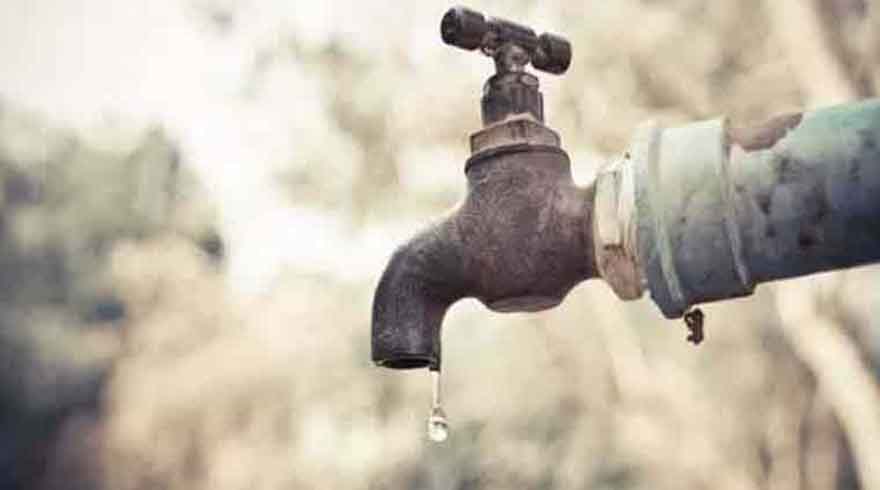
QUETTA – Large parts of Balochistan are grappling with a worsening water crisis, as rapidly depleting groundwater levels threaten both agriculture and daily life across the province — including the capital Quetta and its surrounding districts.
According to experts, groundwater in the region is dropping by 3 to 4 feet every year, leaving thousands of acres of farmland barren. The worst-hit areas include Mastung, Pishin, Kharan, Noshki, Qila Abdullah, and Chagai, where residents are struggling to access clean water.
Read More: Pakistan’s Water Crisis
Quetta, once considered one of the province’s most fertile zones, has seen its agricultural contribution fall from over 20% to less than 10% of Balochistan’s total output. In many parts of the city, residents now have to drill between 700 and 1,000 feet underground to reach water.
Experts have also revealed that there are over 30,000 tube wells operating in Quetta and nearby areas — with nearly half of them unregistered — resulting in unchecked groundwater extraction and accelerating the depletion rate.
Read More: Sudan Crisis: 130,000 Children Trapped as Violence Escalates, UN Warns
Environmental specialists warn that if immediate and coordinated measures are not implemented, Quetta and its neighboring districts could become completely barren in the near future. They have called for stricter regulation of tube wells, investment in sustainable water management, and large-scale rainwater harvesting projects to prevent an impending humanitarian and environmental disaster.