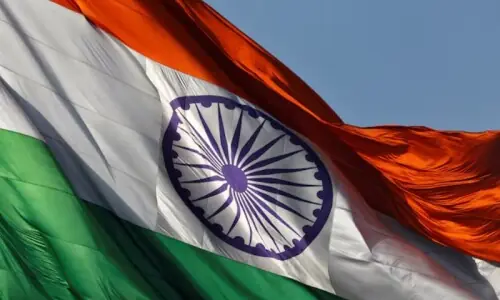
Frequent threats and aggressive assertions by Indian officials against Pakistan have once again cast a shadow over any prospects for dialogue between the two nuclear-armed neighbours, ensuring that a climate of hostility continues to dominate South Asia.
Following the Pahalgam episode, the BJP-led government has intensified its campaign to vilify Pakistan, aided by hawkish sections of the Indian media. Analysts believe that India’s frustration stems from its lacklustre military performance during the May skirmishes and the international community’s rejection of New Delhi’s anti-Pakistan narrative, coupled with Islamabad’s recent diplomatic successes.
In recent days, two senior Indian military officials made inflammatory statements, further deteriorating the regional atmosphere. The Indian army chief warned that his country would not show “restraint” and hinted that “the opportunity will come soon,” directly threatening Pakistan. Meanwhile, the Indian air chief claimed that Indian forces had shot down “several Pakistani jets” during Operation Sindoor — an assertion widely dismissed as baseless due to lack of evidence.
Read More: Iran declares IAEA cooperation irrelevant after sanctions return
Observers note that India’s military rhetoric often mirrors political direction from New Delhi. At the UN General Assembly last month, Prime Minister Shehbaz Sharif reiterated Pakistan’s willingness for a “comprehensive dialogue” with India, while defending Islamabad’s military actions during the May clashes. In contrast, India’s foreign minister used the same forum to label “a neighbour” as the “epicentre of global terrorism,” clearly referring to Pakistan.
Adding to the hostile tone, the Indian prime minister — after his country’s Asia Cup victory — described the win as “Operation Sindoor on the games field,” a statement viewed in Islamabad as undiplomatic and inflammatory.
Experts suggest that the Modi government’s anti-Pakistan posture serves domestic political purposes, rallying its Hindutva support base and consolidating votes ahead of key state elections such as Bihar’s upcoming polls.
However, analysts warn that India’s persistent belligerence is narrowing the space for peace and regional stability. At a time when the world faces multiple crises, such rhetoric risks reigniting old hostilities between two nuclear powers.
Pakistan maintains that the only viable path forward for South Asia is peaceful coexistence and the resolution of all outstanding disputes through dialogue. Until New Delhi shows seriousness towards this approach, Islamabad says it will remain vigilant and ready to defend its sovereignty, as it did during India’s earlier acts of aggression.